There are days when eating out feels like a small act of care for yourself — when you want food that is genuinely good for your body, not just convenient. On one of those days, I made the trip to Komenoko (玄米菜食 米の子), a brown rice and vegetable restaurant in Nishi-Kokubunji, Tokyo. What started as a lunch outing turned into an afternoon of unexpected discoveries, ending at a national historic site I’d somehow never heard of despite living in Tokyo my whole life.
Komenoko: Brown Rice Cuisine in Nishi-Kokubunji
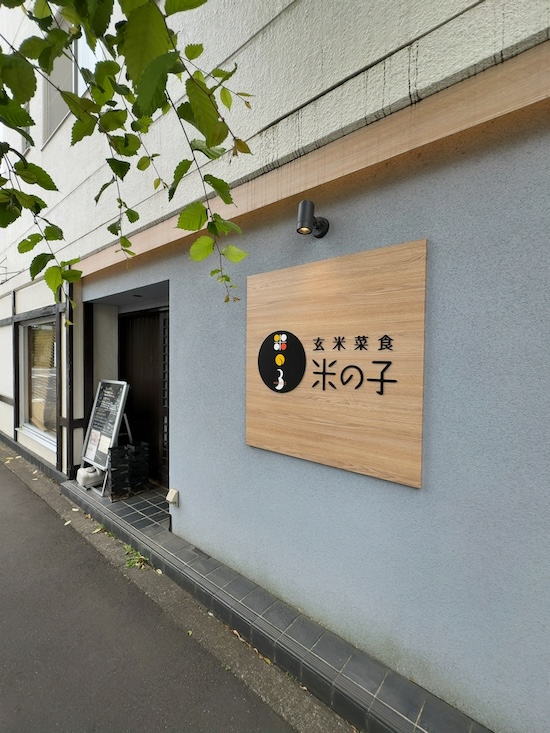
Komenoko is a restaurant built around brown rice and vegetables. What I discovered only when I looked at the menu: the set meals contain no meat, fish, eggs, or dairy products. This is fully plant-based cooking, quietly and completely.
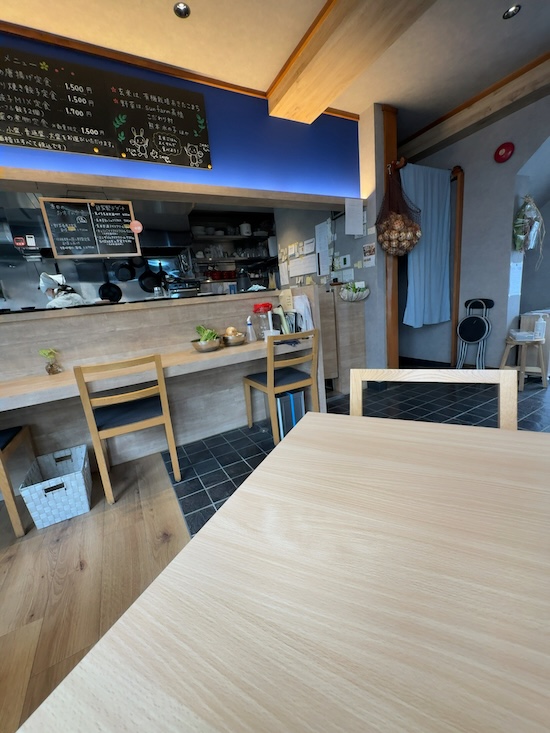
I arrived alone on a weekday at 11:45. The restaurant had two other groups — a couple and a party of four women. Counter seats were available, but the staff’s invitation to “please sit at any table you like” was genuinely appreciated. The interior is clean and spare, the kind that immediately makes you feel calm. I knew within a minute that I liked this place.
The Menu
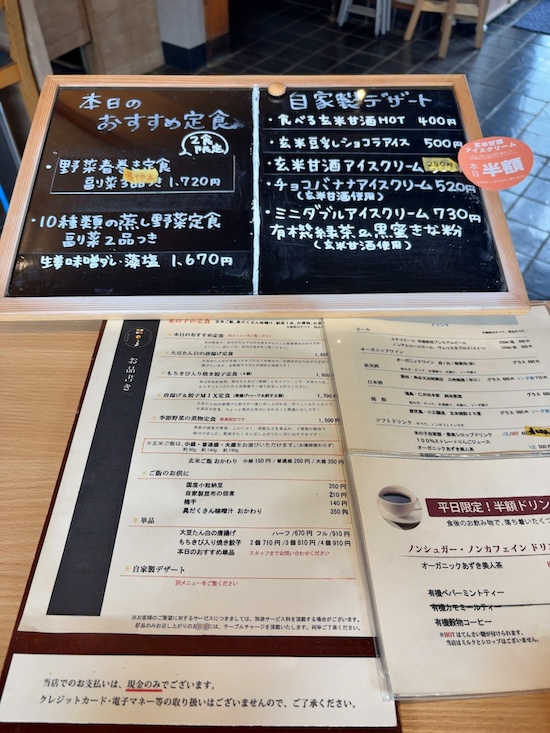
Set meals come with brown rice, miso soup, two side dishes, and nukazuke (bran-fermented pickles), starting from ¥1,500. I had gone early with a specific plan: the spring roll set (¥1,720), which is limited to two portions per day. It was already sold out.
Pivoting to the rest of the menu, I noticed “grilled gyoza” and went with the mochikibi gyoza set (もちきび入り焼き餃子定食, ¥1,500) — pan-fried dumplings made with mochikibi (foxtail millet) in place of meat. I added the optional tsukudani (sweet-salty condiment, ¥210) as a pairing for plain brown rice at the end of the meal.
The Set Meal
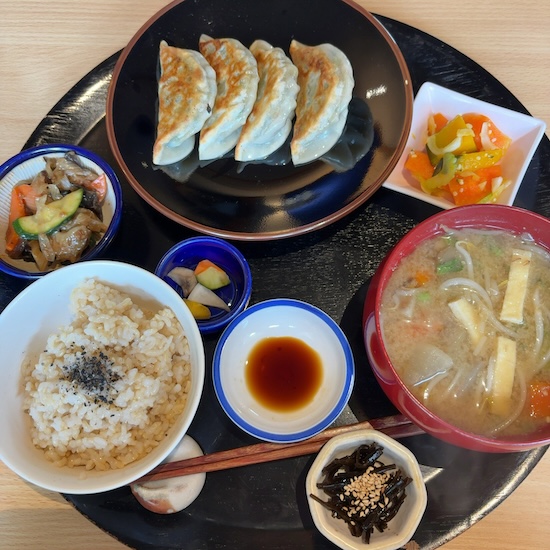
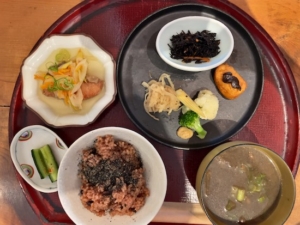
The set arrived looking modest and quietly beautiful. Here’s what was on the tray:
| Main | Grilled mochikibi dumplings (foxtail millet gyoza, no meat or eggs) |
|---|---|
| Left side dish | Eggplant, wood ear mushroom, shiitake, and spring onion in sesame-miso dressing |
| Right side dish | Carrot, pumpkin, celery, and onion pickles |
| Miso soup | Aburaage (fried tofu), bean sprouts, komatsuna, burdock root, carrot, daikon, konjac |
| Brown rice | Regular portion (small and large available at no extra cost) |
| Optional | Tsukudani +¥210 |
The gyoza surprised me most. No meat, no eggs — and yet they had the full flavour and satisfying weight of proper pan-fried dumplings. The millet filling holds together well and has a pleasant chewiness. The side dishes were deeply flavoured in the way that vegetables cooked with care always are.
But what genuinely impressed me was the miso soup.
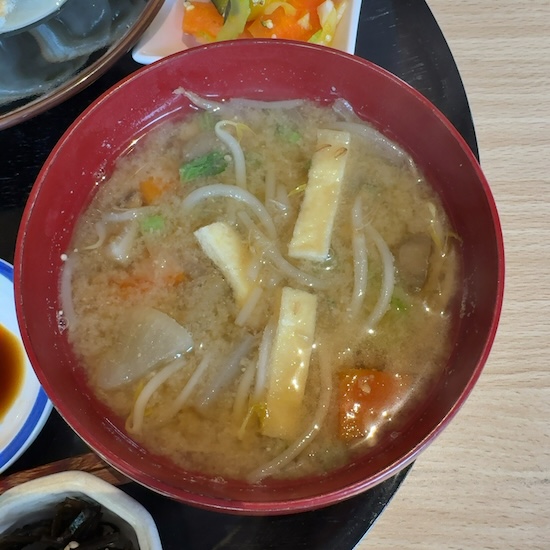
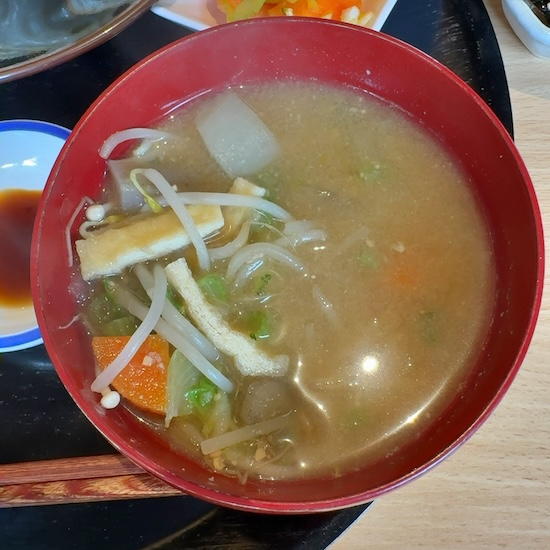
Push the ingredients to one side, and you understand: this is miso soup you eat rather than drink. Seven ingredients, packed into a bowl. It alone would be worth coming back for.
I ate slowly, chewing the brown rice properly, working through the pickles and side dishes. It’s the kind of meal that makes you feel better than when you arrived — without being heavy or expensive.
Access
| Restaurant | Komenoko (玄米菜食 米の子) komenoko.com |
|---|---|
| Location | Kokubunji City, Tokyo |
| Access | JR Chuo Line — Nishi-Kokubunji Station, 16 min walk |
| Price range | From ¥1,500 for a full set meal |
| Notes | No meat, fish, eggs, or dairy in set meals · limited daily specials sell out early · solo diners welcome |
An Unexpected Detour: The Ruins of Musashi Kokubunji
Having made the trip to Nishi-Kokubunji, I wanted to add some exploration to the afternoon. A quick search revealed that the area contains both Musashi Kokubunji Yakushido (a historic temple hall) and the Ruins of Musashi Kokubunji — a nationally designated historic site.
The walk from Komenoko was about 40 minutes, but the midsummer heat made that impractical. I found a community bus that cut the journey to around 15 minutes on foot.
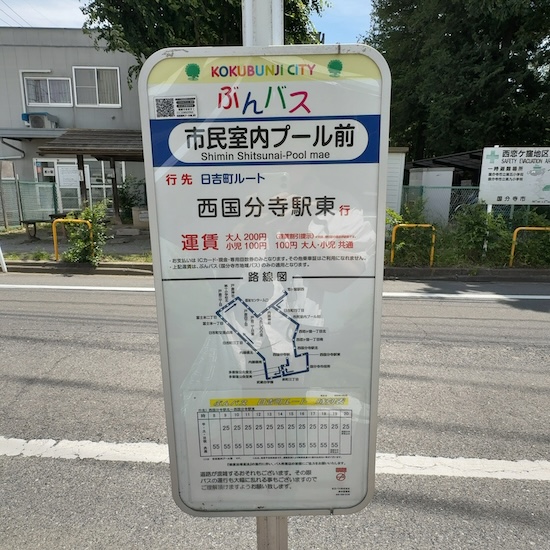
There’s a particular pleasure in riding an unfamiliar local bus in a neighbourhood you’ve never been to before. The stops are surprising; the landscape is ordinary in exactly the way that makes it interesting.
Tokyo Metropolitan Tama Library
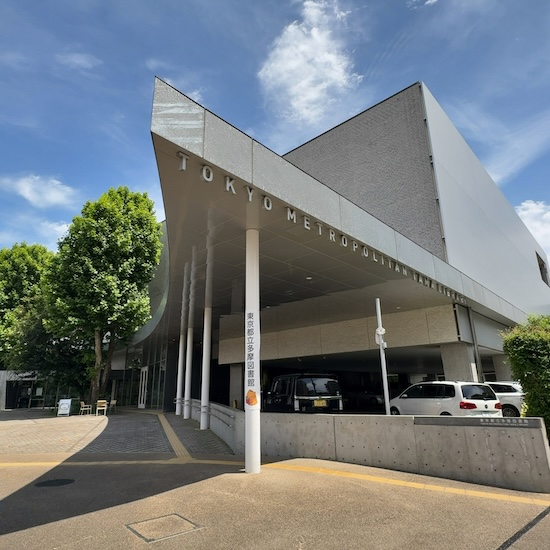
Getting off at Nishi-Kokubunji Station East and following Google Maps on foot, I encountered an unexpected landmark: the Tokyo Metropolitan Tama Library. This is a specialist library known as the “Tokyo Magazine Bank” — it holds approximately 19,000 periodicals, from popular magazines to academic journals. Entry is free; you collect a visitor card at the desk and can browse freely.
I made a mental note to come back here someday with no other plans — just to read magazines for an afternoon. Tokyo Metropolitan Tama Library
Musashino Kokubunji Park
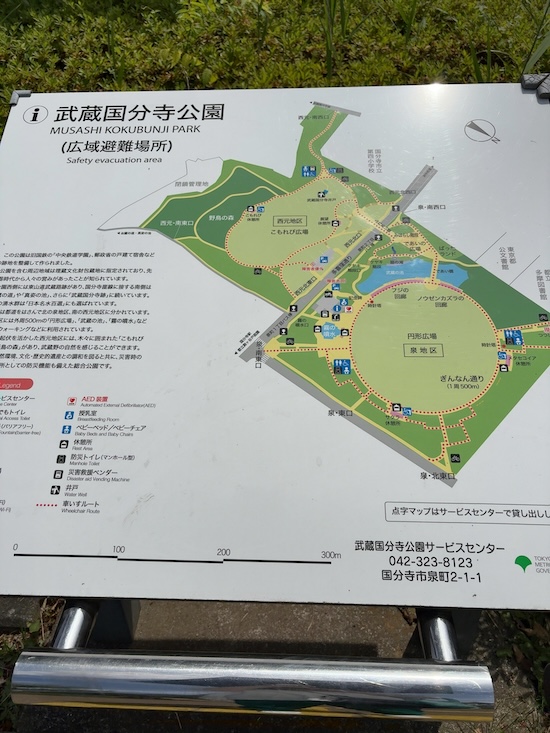
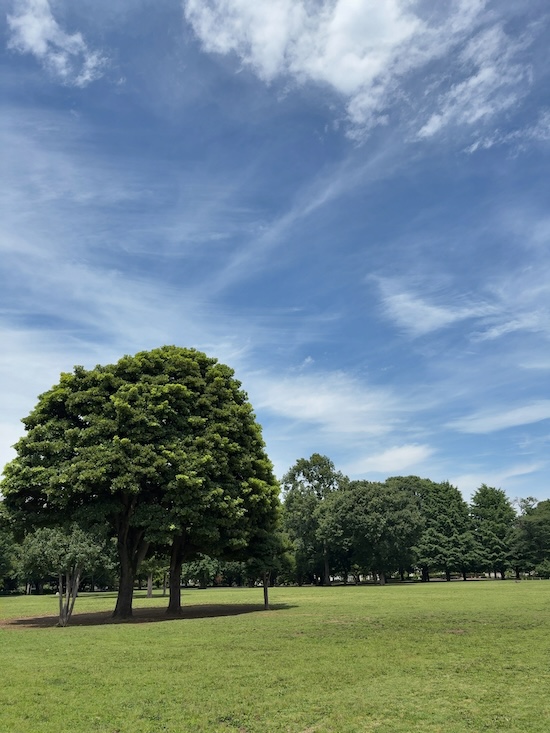
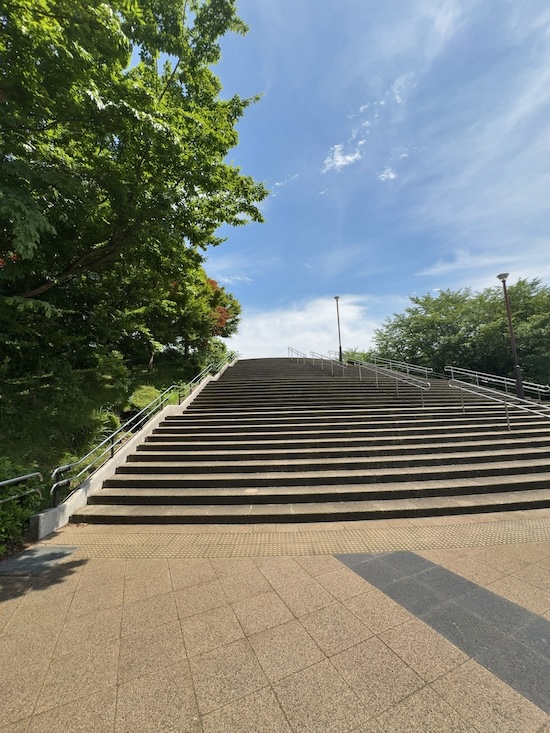
Adjacent to the library is Musashino Kokubunji Park (都立武蔵国分寺公園). A circular lawn area opens up under a broad sky; on a quiet weekday afternoon it was almost entirely empty. Ahead, a staircase appeared — the kind that makes you curious about what’s on the other side.
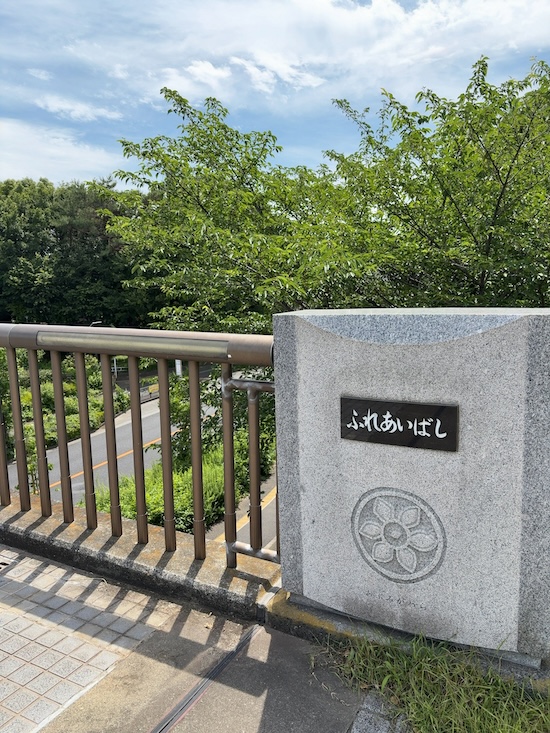
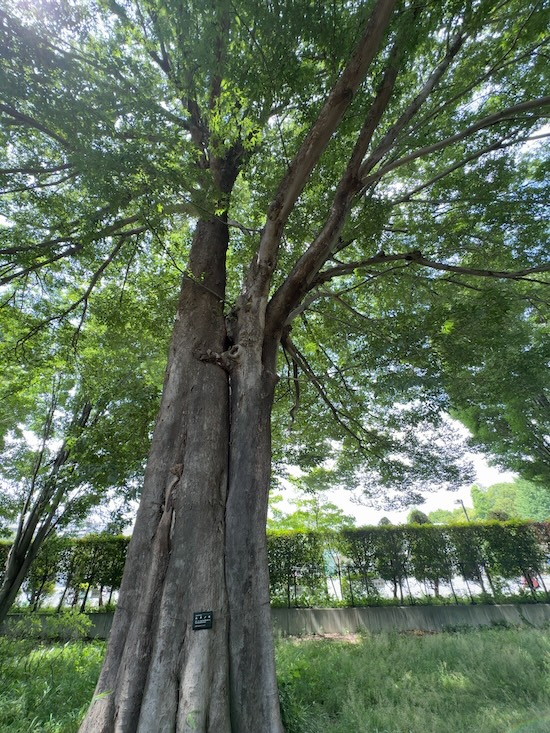
A footbridge carries you over a road into the second section of the park — the Komorebihiroba (dappled sunlight plaza), surrounded on all sides by large mature trees. It felt like forest bathing without having left the city.
Musashi Kokubunji Yakushido
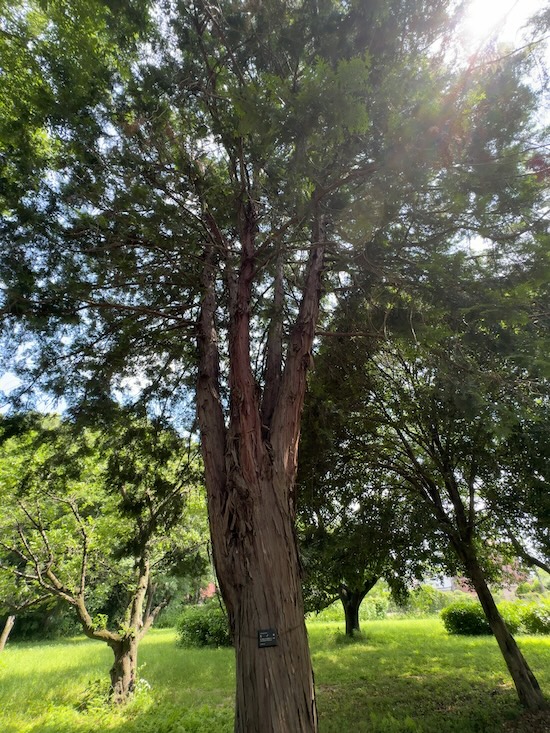
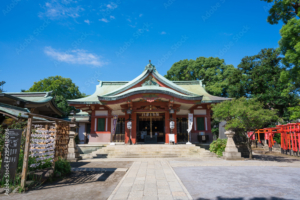
Emerging from the park, I came out at the back of Musashi Kokubunji Yakushido — a historic temple hall — without realising I’d entered from the rear. The gate was modest; I assumed that was simply the entrance.
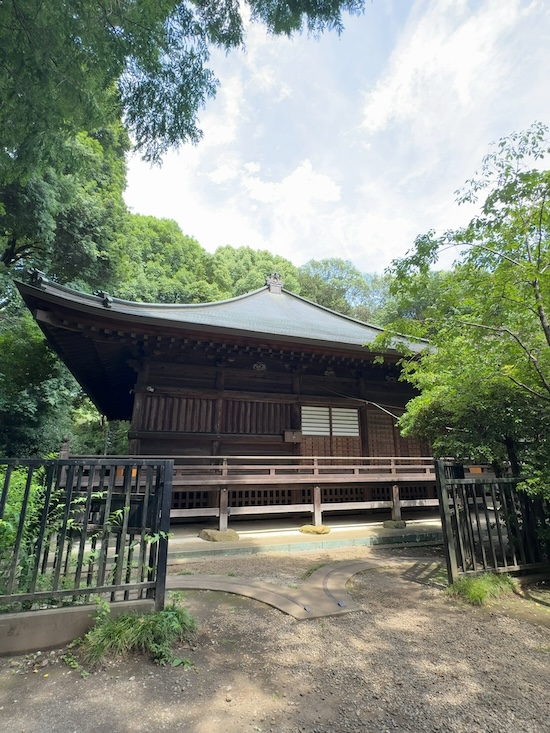
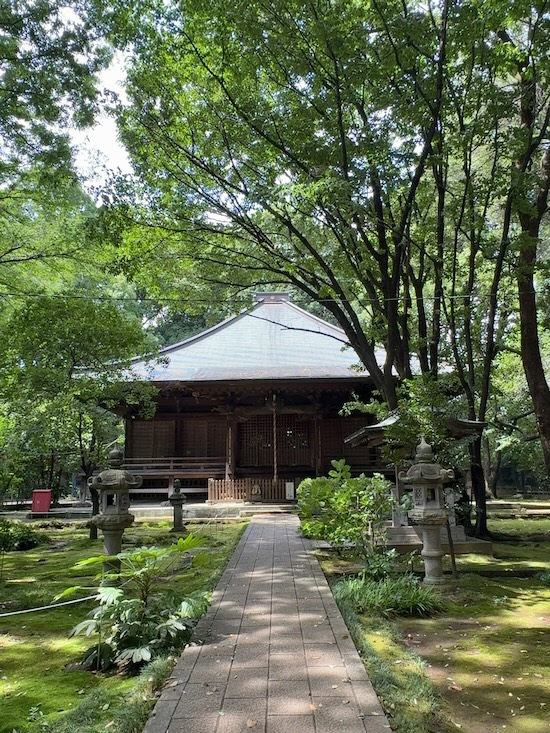
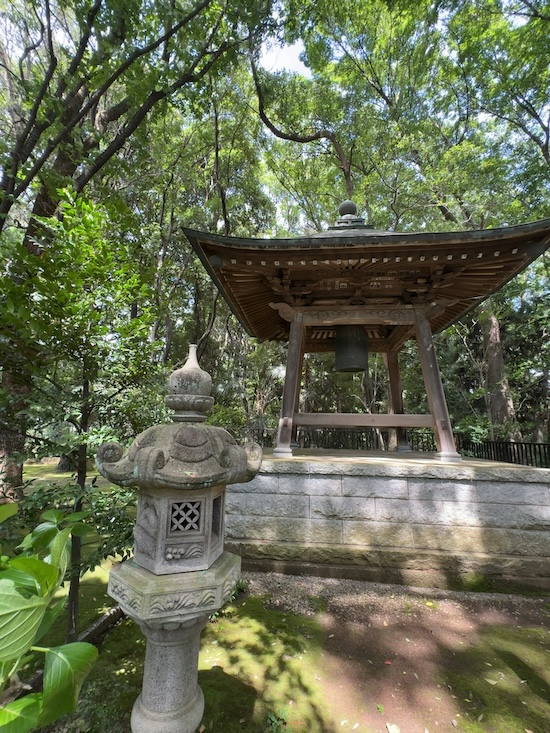
Walking through to the front, I descended a staircase and turned to see the proper main gate — considerably more impressive. A breeze moved through the large trees.
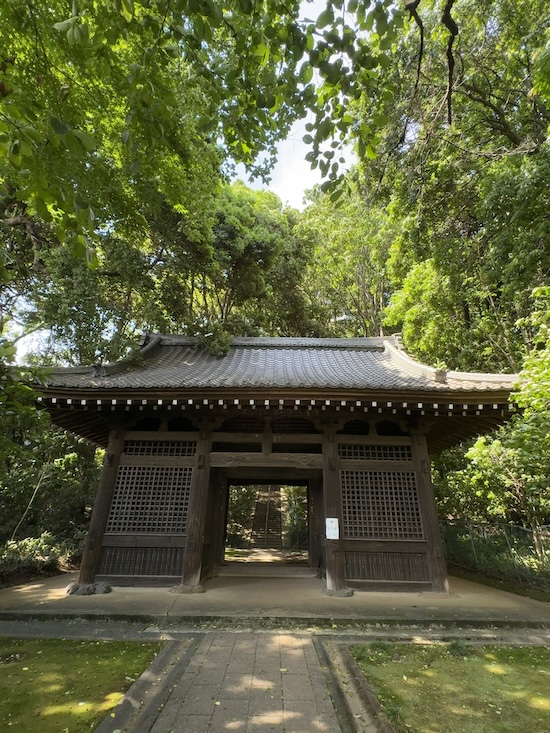
The Yakushido hall is said to have been built in 1335 (Kenmu 2) through a donation by the warlord Nitta Yoshisada, on the site of the former main hall (kondo) of the Kokubunji provincial temple. It was rebuilt at its current location during the Horeki era (1751–63) and is designated an Important Tangible Cultural Property of Kokubunji City.
The Ruins of Musashi Kokubunji
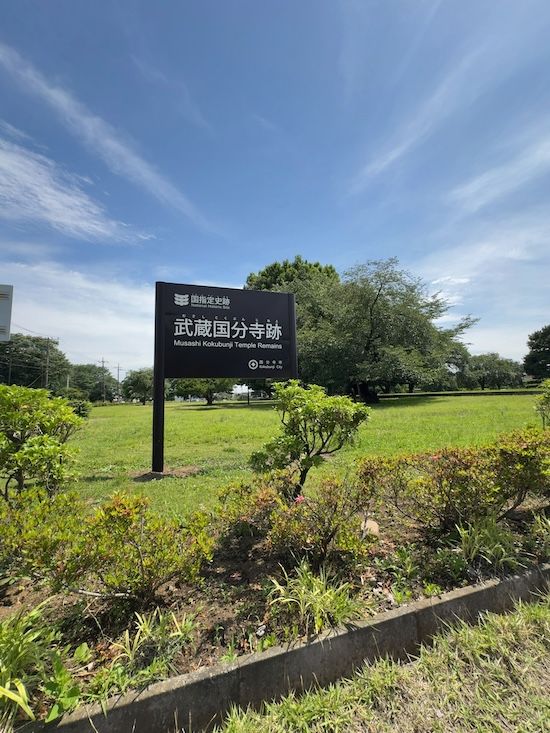
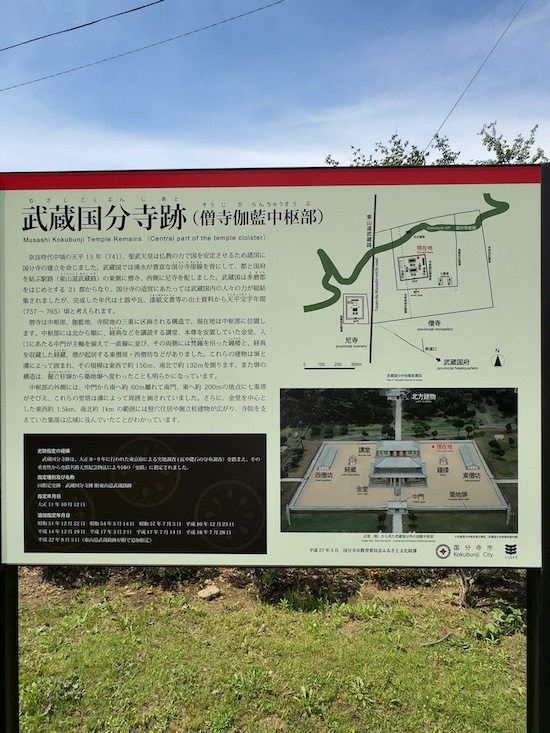
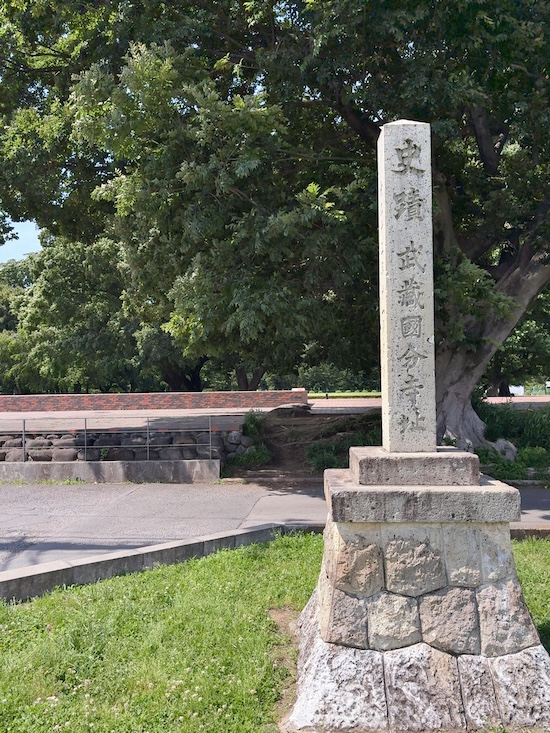
Beyond the Yakushido lies the nationally designated historic site: the Ruins of Musashi Kokubunji (武蔵国分寺跡). In the 8th century, Emperor Shomu ordered the construction of provincial temples (kokubunji) throughout Japan as centres of Buddhist faith and protection for each province. Musashi Kokubunji was the provincial temple for Musashi Province — which encompassed what is now Tokyo and much of Saitama and Kanagawa. The complex was enormous.
I had lived in the Musashino area of western Tokyo and have spent my whole life in this city — and I had no idea this site existed. It spreads across the residential streets of a quiet neighbourhood. Once you know what you’re looking at, the scale becomes striking.
I left wanting to know much more. Musashi Kokubunji Historic Site
A Day That Became More Than Lunch
What began as a single-purpose trip — brown rice gyoza at a plant-based restaurant 16 minutes’ walk from the station — turned into one of those days that makes adult life feel genuinely expansive. A community bus I’d never ridden. A magazine library I didn’t know existed. A medieval temple hall discovered from the wrong direction. A provincial capital from 1,300 years ago, buried under the ordinary fabric of the city.
As an adult, time often feels as though it’s accelerating. The antidote, I’ve come to think, is exposure to unfamiliar landscapes — not necessarily far away, just somewhere you’ve never been, where you genuinely don’t know what you’re looking at. That feeling of mild disorientation is time slowing down again.
Nishi-Kokubunji offers all of this within easy reach of central Tokyo, starting with a bowl of the best miso soup I’ve had in a long time.