One day I decided, on impulse, that I needed to decompress — and set off for a day-trip hot spring. The destination: Takaosan Onsen Gokurakuyu, a large natural hot spring facility right next to the trailhead for one of Japan’s most popular mountains. No overnight stay, no travel companions needed. Just a train, some hot water, and a few quiet hours to myself.
Why I Love Day-Trip Onsen
I wasn’t always a hot spring enthusiast. It was only after I started travelling around Japan as an adult that I discovered what a remarkable culture the country has built around bathing. The best onsen I’ve ever visited is Sakunami Onsen in Miyagi Prefecture — specifically the riverside outdoor bath at Ichinobo ryokan, which is spectacular in autumn foliage season.
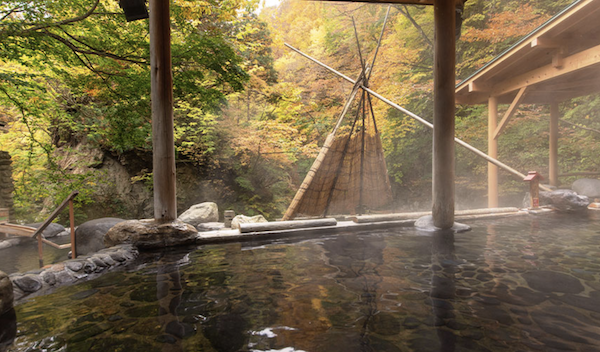
But overnight trips aren’t always practical — the cost, the logistics, coordinating with others. That’s where day-trip onsen facilities have changed the game. In recent years, large, well-equipped day-use facilities have been opening across Japan, and I had a revelation: I can actually do this on a weekday. Since then, planning a day-trip onsen visit has become one of my favourite ways to break up a busy stretch.
I go alone. There’s no loneliness in it — quite the opposite. Going solo means complete freedom to linger as long as I want, choose whatever I feel like eating, leave whenever I’m ready. The only downside is that I can’t turn to anyone and say "wasn’t that wonderful?" — which is part of why I write about it here.
Getting to Takaosanguchi Station
From Shinjuku Station, the Keio Line runs directly to Takaosanguchi Station — the terminus, so there’s no risk of missing your stop. The journey takes about 50 minutes and costs ¥388 one way. (You can also get there via JR from Tokyo Station with a transfer at Hachioji, but it costs nearly double and isn’t faster, so the Keio Line is the clear choice.)
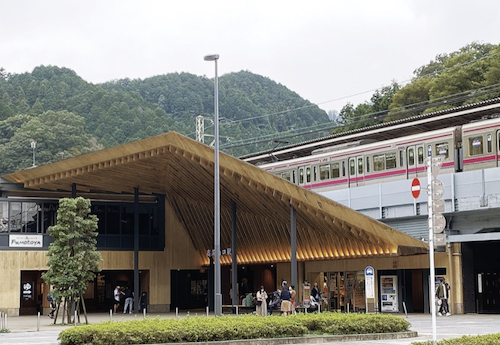
The station building itself is worth a look — it was redesigned by the acclaimed Japanese architect Kengo Kuma, known for his signature blend of natural materials and contemporary minimalism. The result is an elegant wooden structure that feels at home at the foot of a mountain.
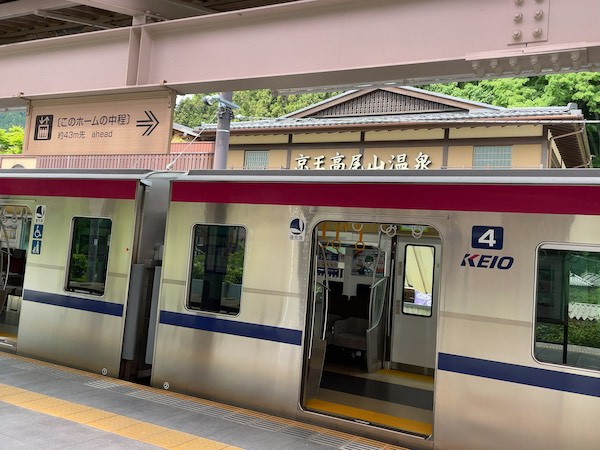
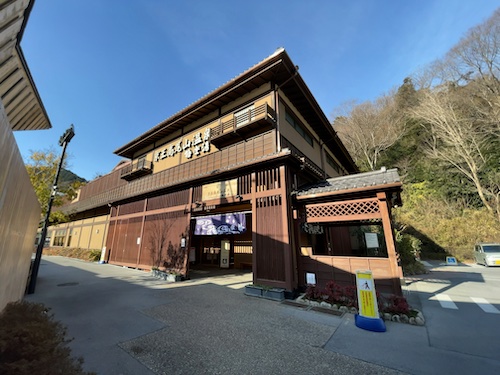
As soon as you step onto the platform, you can already see the onsen building in the distance.
To get there from the station, look for the passage to the left of the ticket machines. It leads directly to the onsen — no map needed.
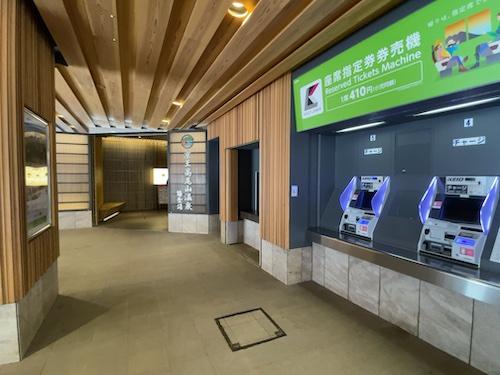
The covered walkway reminded me immediately of the entrance to the Nezu Museum in Aoyama — also designed by Kengo Kuma, with its characteristic bamboo-flanked corridor. It sets a calm, contemplative mood before you’ve even arrived.
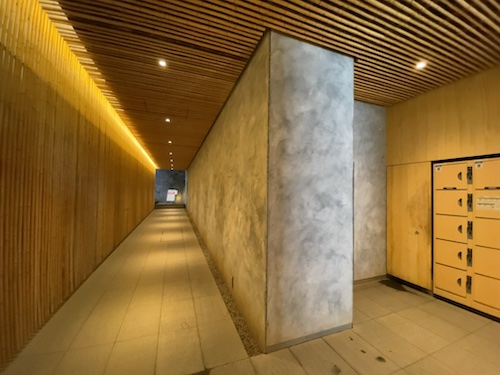
One practical note: the walkway has no roof over part of the route, so you may get slightly wet on a rainy day. Worth knowing in advance.
Entering Gokurakuyu: What to Expect
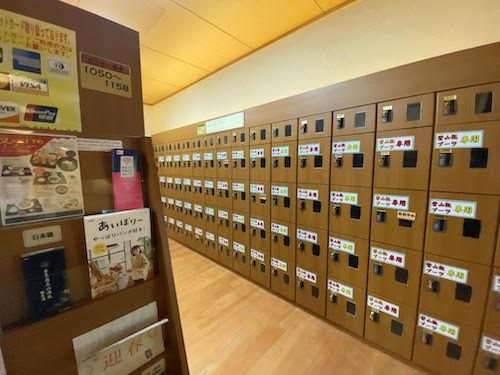
At the entrance, you remove your shoes and store them in lockers. Because this is a popular base for hikers heading up Mount Takao, there are dedicated lockers for hiking boots and tall boots — a thoughtful touch.
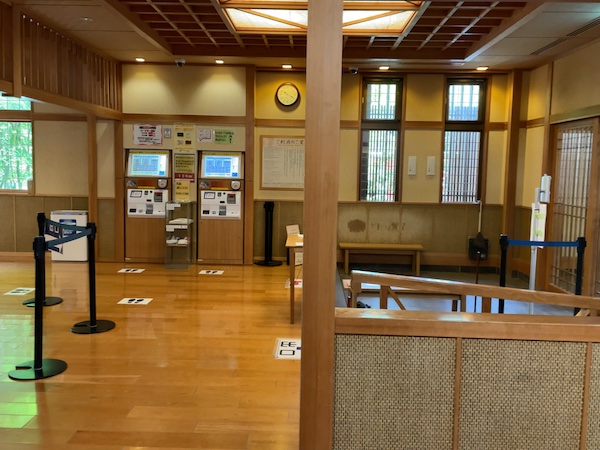
Tickets are purchased from a vending machine near the front desk.
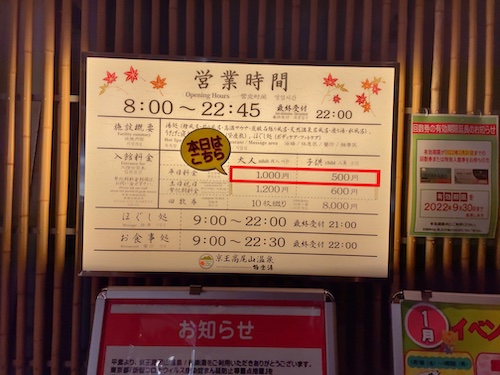
Weekday adult admission is ¥1,000 — very reasonable for a natural hot spring in greater Tokyo. Note that towels are not included. You can rent a bath towel for ¥200, or a bath towel + small hand towel set for ¥350. My suggestion: bring your own hand towel and just rent the bath towel.
The changing rooms are clean and well maintained, and the baths are separated from the washing area — which makes the whole experience feel much more relaxed.
The Baths: A Full Tour
Hinoki Bath (Micro-Bubble)
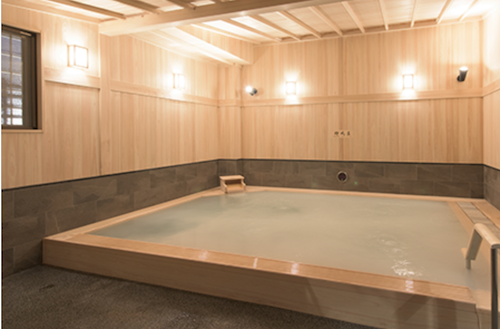
The first indoor bath is the hinoki (Japanese cypress) bath, kept at a soothing 39.5°C. The water appears milky white from millions of tiny bubbles, and the gentle scent of cypress fills the room. A calming way to ease into the experience.
Kawari-yu (Daily-Change Bath)
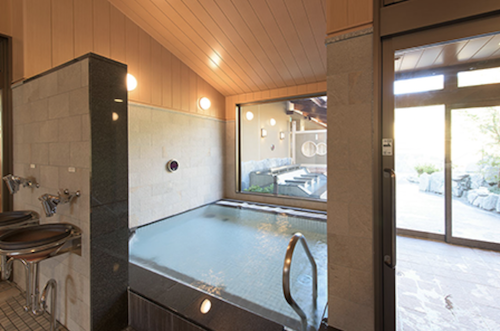
The second indoor bath is the kawari-yu ("changing bath"), where the colour and aroma rotate daily. On my visit it was chamomile — a soft yellow water with a delicate floral scent. It’s a lovely surprise each time you visit.
Natural Hot Spring Outdoor Rock Bath
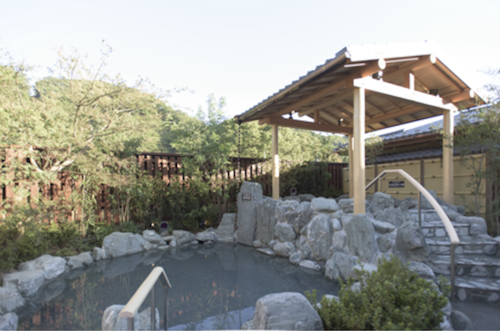
This is where the real magic happens. Step outside into the natural hot spring rock bath, look up, and you’ll see nothing but open sky. You’re in Tokyo — technically — but surrounded on all sides by forested mountains. The words "the sky is so blue today" escape your lips before you’ve even thought them.
The mineral water is genuine hot spring water (alkaline simple thermal spring), colourless and clear. There are two sections: the atsyu (hot bath) at 42.5°C, accessed up stone steps, and the nuryu (warm bath) at 38°C below. Both are wonderful.
One tip: during hiking season, the outdoor bath gets crowded in the afternoons as trail-users come down from the mountain. Aim for the morning if you want a more peaceful soak.
Outdoor Carbonated Stone Bath
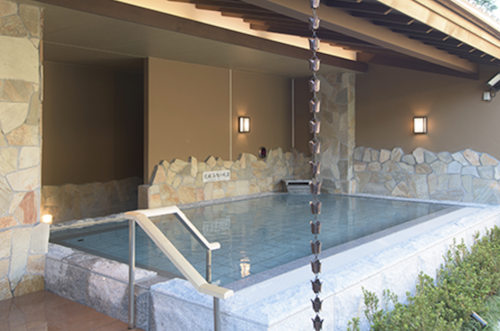
This is my personal favourite, and I think it will be yours too. The carbonated stone bath artificially recreates a naturally carbonated hot spring — a rare type in Japan, said to promote circulation and have skin-brightening benefits.
The temperature is mild, the depth is comfortable, and the smooth stone tiles make it easy to settle in and stay. I always lose track of time in this one.
Seated Bath
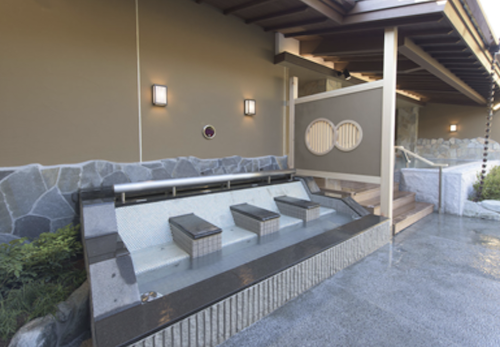
A good option for warming up gradually, especially in milder weather when you want to ease in without full immersion.
METOS Sauna
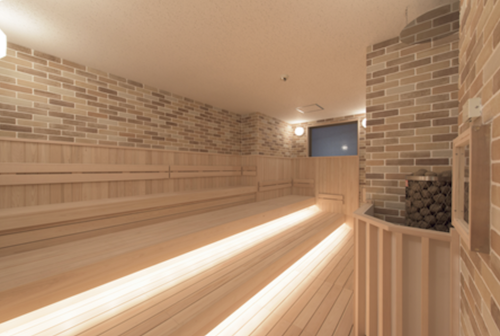
The sauna uses a METOS far-infrared heater, which is said to warm the body from the inside out rather than just heating the skin surface. I personally struggle to stay in a sauna for more than a minute — but I always try it, and plenty of other guests settle in for a long session. There’s a TV inside to help pass the time.
Spring Mineral Data
| Source name | Keio Takaosan Onsen |
|---|---|
| Spring type | Alkaline simple thermal spring |
| Colour | Faintly milky white, clear |
| Source temperature | 26.2°C |
| Reputed benefits | Muscle and joint pain, stiff shoulders, joint stiffness, bruising, poor circulation, fatigue recovery, general health |
The Massage Area
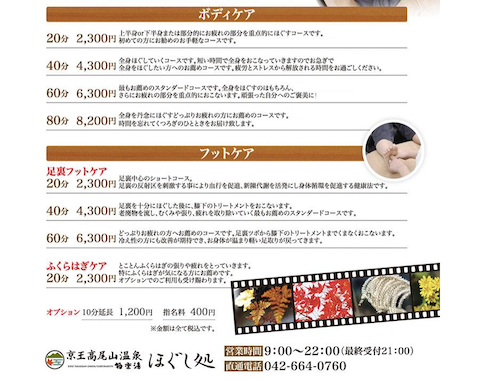
Most day-trip onsen facilities have a massage area, and Gokurakuyu’s is above average. It’s run by Reverse Tokyo, part of the same group as the Raffine massage chain found in many Tokyo department stores and stations — so you can expect consistent quality and properly trained therapists. Female staff can be requested for an extra ¥300.
I booked a 60-minute session: 30 minutes of foot reflexology followed by 30 minutes of body care, for ¥6,300. It’s a splurge, but I reasoned that since I’d saved on transport and accommodation compared to a regular onsen trip, I could afford to treat myself. The body care felt more like shiatsu than a standard relaxation massage — "pleasantly painful" in the best way — and my shoulders genuinely felt lighter when I left.
The Restaurant
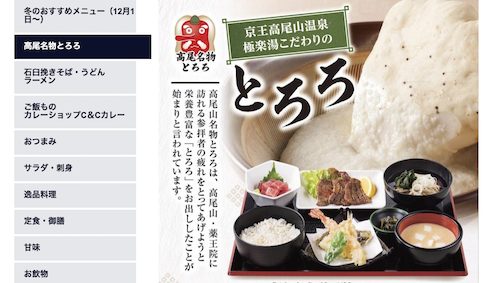
The in-house restaurant is a standard day-onsen food hall — nothing extraordinary, but perfectly good. The local speciality is tororo soba (buckwheat noodles topped with grated mountain yam), which is the iconic dish of the Takao area. Ordering it feels like the right thing to do.
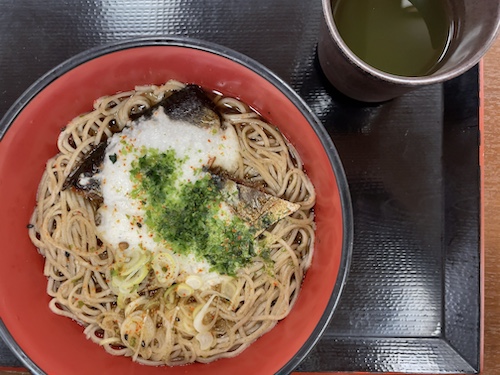
I had the nishin soba (herring soba, ¥880) with a little grated yam on top — a compromise between the local speciality and what I was actually craving after two hours of hot baths. After an hour in the baths and an hour of massage, I was very hungry. I’m proud to say I resisted the tempura.
Since Gokurakuyu is operated by Keio Electric Railway, the menu also includes items from the Keio-affiliated curry chain C&C — a comfort food option popular with local regulars.
Side Trip: Mt. TAKAO BASE CAMP Cafe
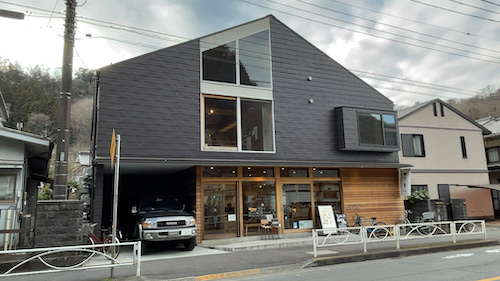
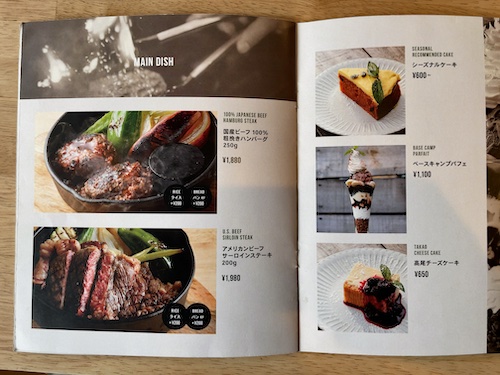
About a 5-minute walk from Gokurakuyu, Mt. TAKAO BASE CAMP (also known as Takao Base) is a hybrid cafe, coworking space, and guesthouse. It’s a genuinely interesting place — the kind of concept that fits the Mt. Takao area perfectly, catering to hikers, remote workers, and day-trippers alike.
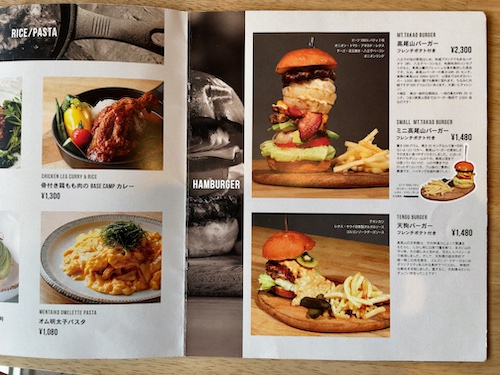
The standout menu item is the Takao Mountain Burger (¥2,300) — pricey by outer-Tokyo standards, but impressively photogenic. If you’re in the mood for something Western after your very Japanese day, this is the place.
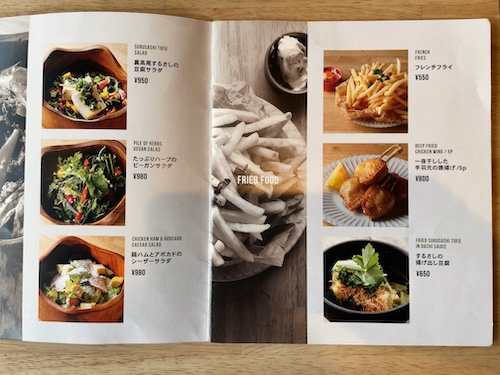
One honest note: the smell of grilling meat fills the whole space, which is wonderful if you’re hungry but less ideal if you’re trying to get work done. The space has WiFi and power outlets, but time your visit accordingly.
Practical Information
| Takaosan Onsen Gokurakuyu | 2229-7 Takaomachi, Hachioji, Tokyo Directly adjacent to Keio Line Takaosanguchi Station Tel: 042-663-4126 Hours: 8:00–22:45 (last entry 22:00) Parking: 110 spaces available Official Website |
|---|---|
| Admission | Weekday adult: ¥1,000 / Weekend & holiday: check website Bath towel rental: ¥200 / Towel set: ¥350 Massage (Reverse Tokyo): from ¥3,150 / 30 min |
| Access from Shinjuku | Keio Line direct to Takaosanguchi (terminus) — approx. 50 min, ¥388 Recommended over JR (slower and nearly double the fare) |
| Mt. TAKAO BASE CAMP | 1799-3 Takaomachi, Hachioji, Tokyo 3-minute walk from Takaosanguchi Station Hours: 7:30–10:00, 11:00–20:00 (irregular holidays — check website) WiFi and power outlets available Official Website |
Hours and prices are as of the time of writing. Please check the official websites for the latest information.
Summary
I left Shinjuku in the morning on a downbound train to the end of the line, spent the day in hot water, walked out of the mountains with light shoulders and a clear head, and was back home in the evening. Total cost: train fare, onsen admission, massage, and lunch — and it felt like a genuine reset.
If you’re visiting Mount Takao (one of the world’s most-climbed mountains, and easily reachable from central Tokyo), combining the hike with a soak at Gokurakuyu is an obvious choice. But you don’t need to hike at all — the onsen is a perfectly satisfying destination on its own.