When I find myself with a free afternoon and no fixed plans, one of the places I’m most likely to end up is a MUJI store. There’s something about the combination of simplicity, quality, and the sense that everything is quietly, correctly designed that I find deeply restorative. On one such afternoon, I made the trip to MUJI Tokyo Ariake — the largest MUJI in the Kanto region — and spent several hours happily getting lost in it.
Note for the Embroidery Studio: If you plan to use the 3F embroidery service, go there first. On weekdays, simple designs take about 2 hours and you can collect the same day. (Busy days, weekends, and larger or custom designs may take until the next day.)
About MUJI Tokyo Ariake
MUJI Tokyo Ariake occupies floors 1–3 of Ariake Garden Mall & Spa, a large commercial complex in the waterfront district of Koto Ward — near the Ariake Tennis Forest park. The store covers 4,600㎡, making it the largest MUJI in the Kanto region.
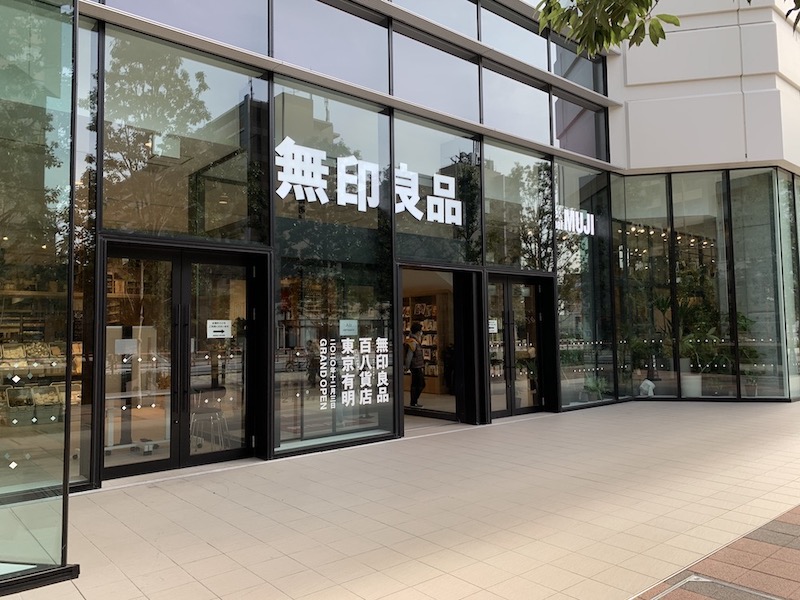
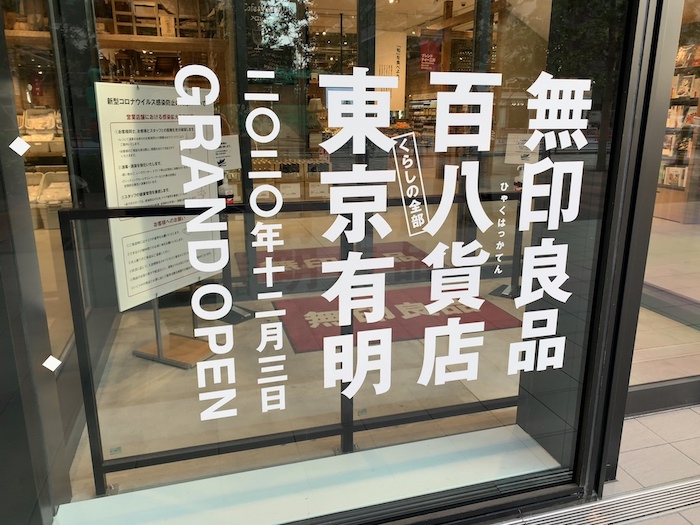
For comparison: the Tokyo flagship in Ginza (opened April 2019) is 3,981㎡ across 7 floors. The Ariake store is three floors, which means each floor is genuinely vast — a very different experience from a standard MUJI. The entrance carries the store’s concept in words: “百八貨店・暮らしの全部” — roughly, “a 108-category store for all of daily life.” MUJI’s coinage of hyaku-hakkaten (108-category store) is a deliberate play on hyakkaten (department store, lit. “100-category store”) — suggesting they go further.
Curious about Japan’s largest MUJI overall? That’s the Naoetsu store in Niigata Prefecture, at 4,934.65㎡ across two floors — opened July 2020, alongside a KALDI and a Starbucks.
The Concept: Selling Space
MUJI Ariake was designed around three themes — Lifestyle Support, Home Building, and Community Building — with eight specific new services introduced at this store. These range from cooking demonstrations and a full-size model house to community programmes with Koto Ward and a regular “Tsunagaru Ichi” marketplace event.
Floor Guide
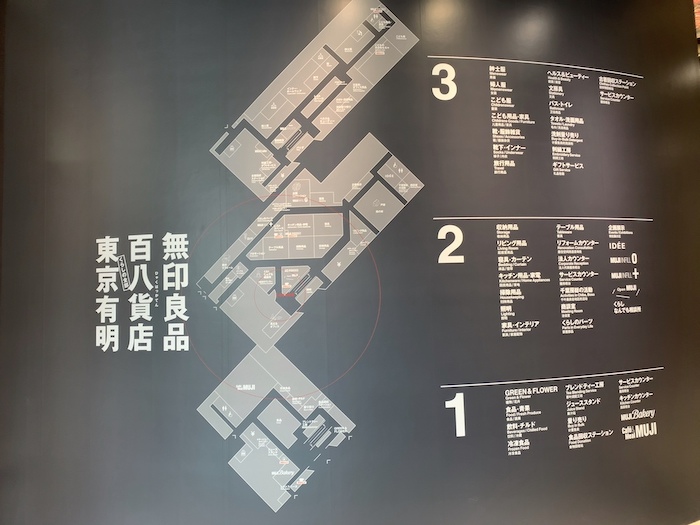
The store spans three floors. A floor map is displayed when you reach 2F. The broad layout: 1F is food, plants, bakery, and café; 2F is home and living; 3F is clothing, health and beauty, and the embroidery studio.
1F: Food, Plants, Bakery, Café
The food section is one of the most impressive I’ve seen at any MUJI. A dedicated room houses the bulk-buy section — an initiative to reduce food waste — where coffee beans, nuts, dried fruits, snacks, pasta, and rice are sold by weight. You bring your own container or use the ones provided.
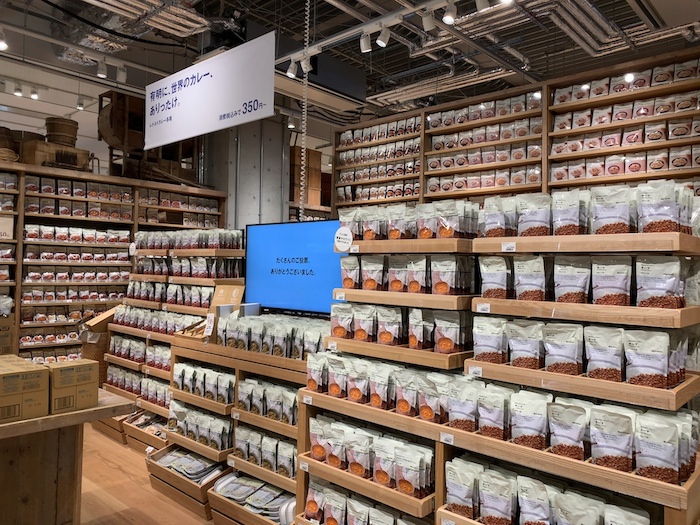
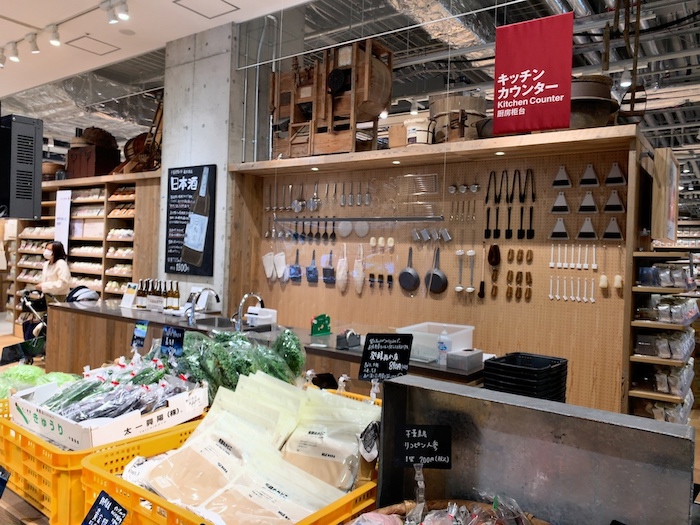
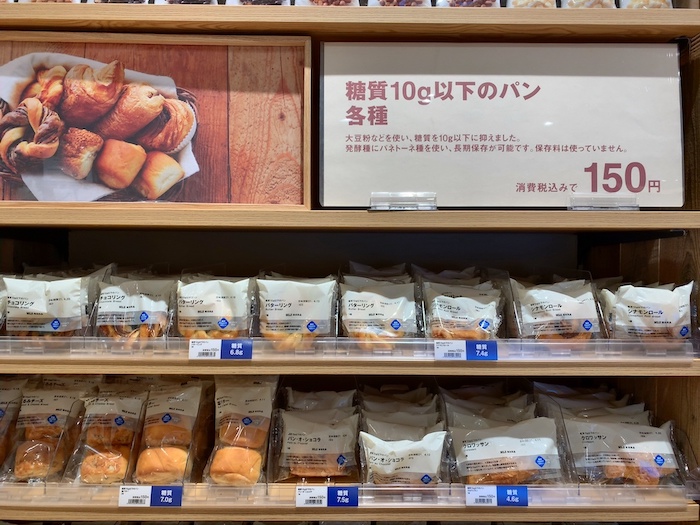
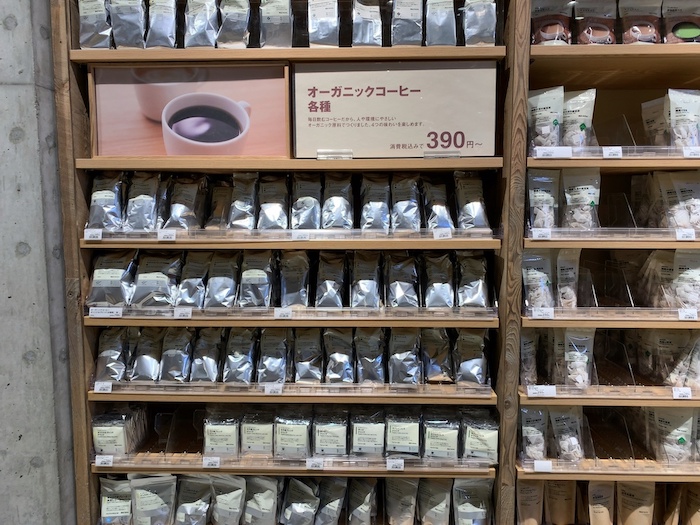
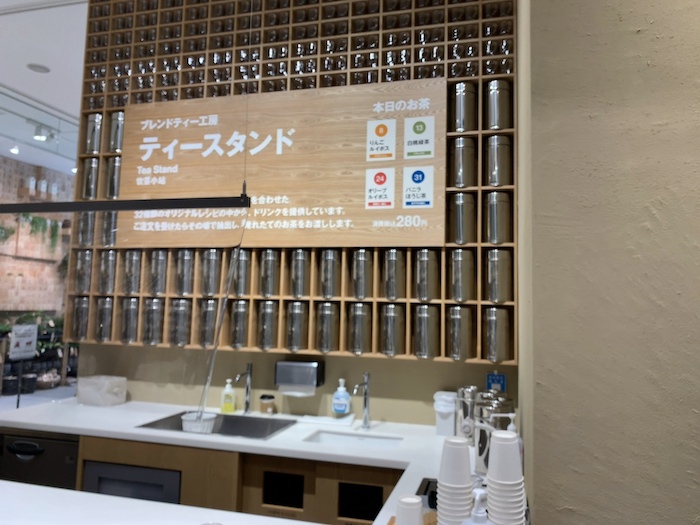
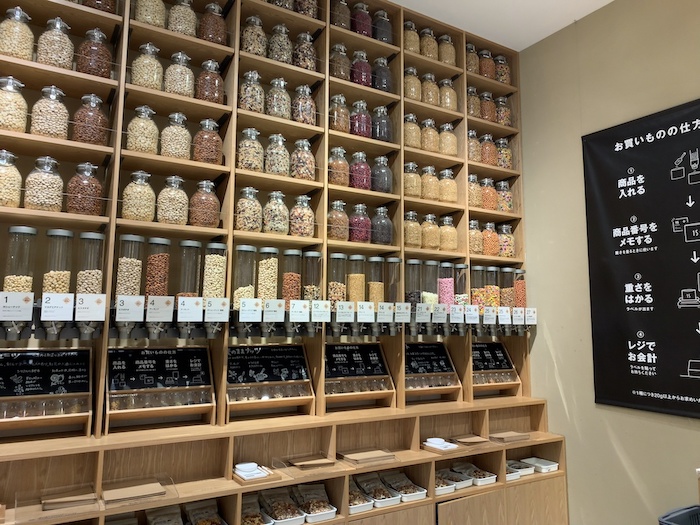
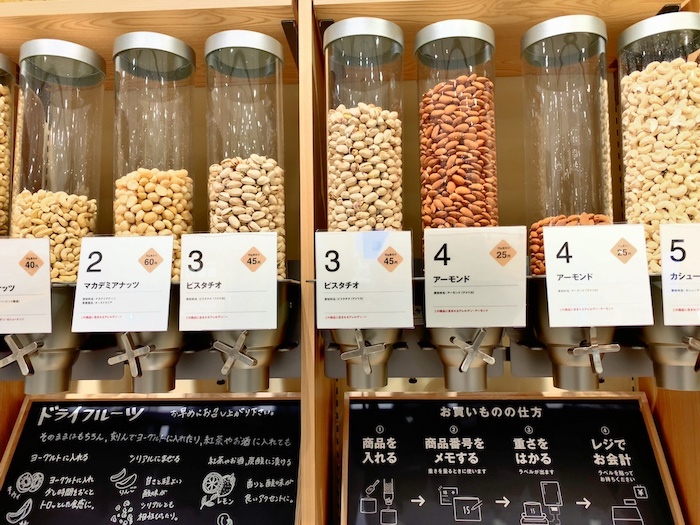
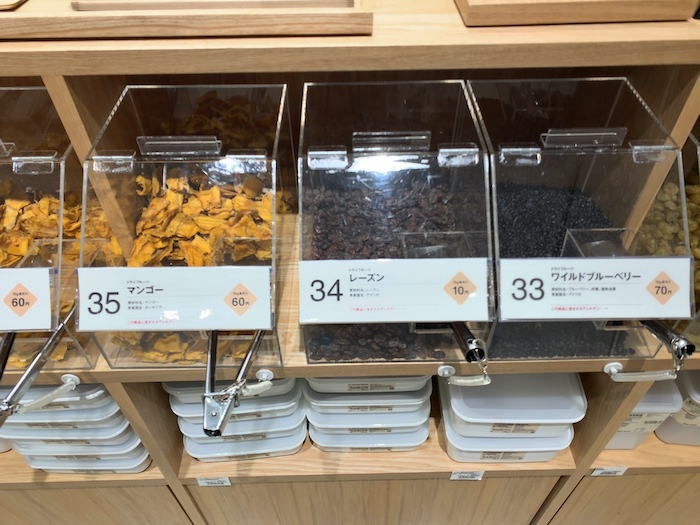
There’s also a dedicated tea stand with bulk loose-leaf teas, an organic coffee section, and a low-carb corner (items under 10g of sugar per serving) — the kind of curation that makes it clear someone has thought carefully about who shops here.
MUJI Bakery and Café & Meal MUJI
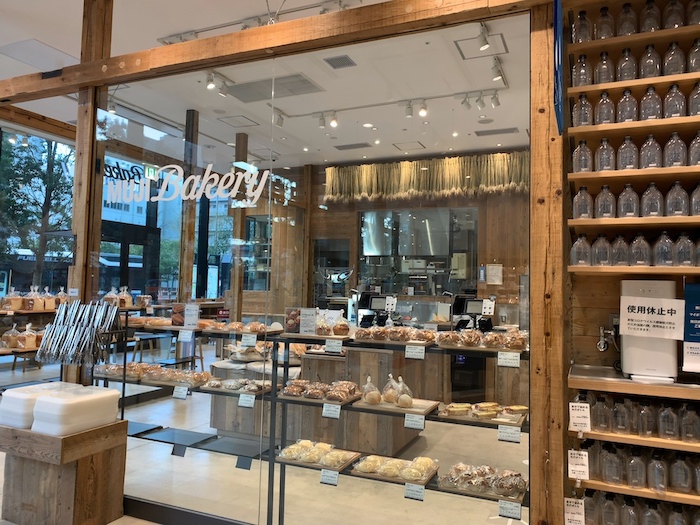
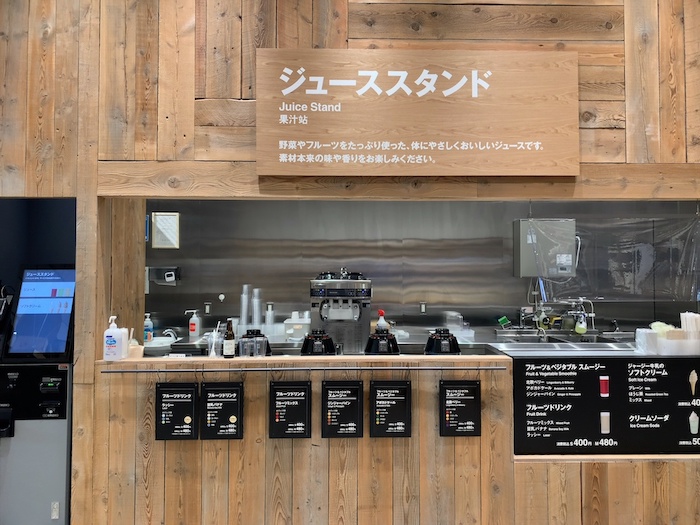
Immediately to the left of the entrance is MUJI Bakery, with a juice stand nearby. The in-house restaurant, Café & Meal MUJI, is at the far end of the floor.
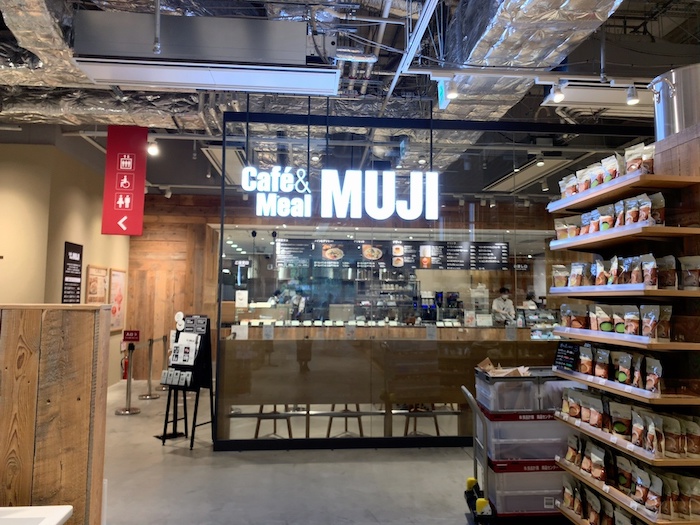
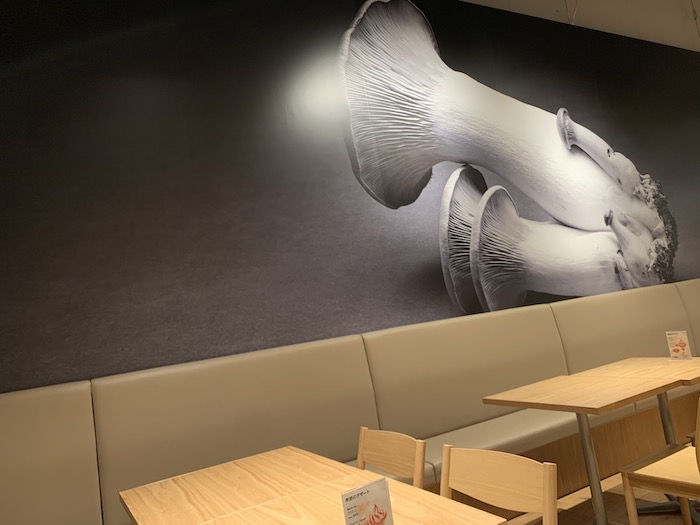
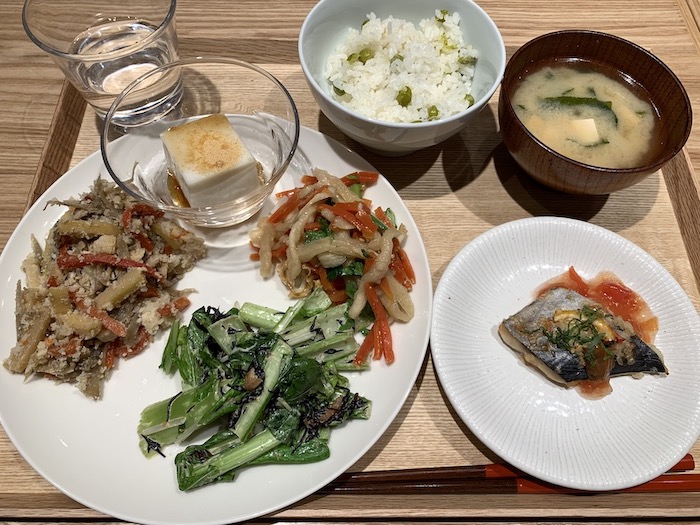
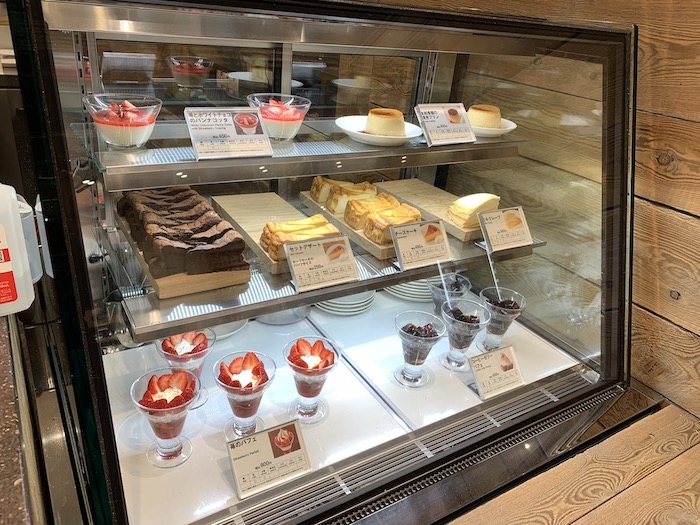
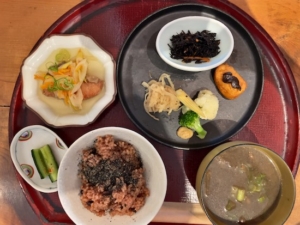
Café & Meal MUJI follows a strict policy: minimal artificial seasonings, no preservatives. The food is vegetable-forward — small bowls of carefully prepared side dishes (deli style), served alongside miso soup and rice with free refills. My spring 2021 visit set (main + 4 deli items, ¥1,200):
- Main: Seared sawara mackerel in roasted tomato sauce
- Hijiki seaweed and vegetable salad (Japanese style)
- Dried daikon and scallop salad
- Milk arrowroot cake with black sugar and kinako (roasted soybean flour)
Menu prices are the same across all Café & Meal MUJI locations — a reliable ¥1,000 for a main deli set of 4, ¥900 for 3. The dessert menu includes the wonderfully named “baked custard pudding with hon-wakato sugar” — a favourite I’ll get to on a future visit.
When I’m tired, or when my body is asking for something calm and nourishing, this is where I go. There’s a branch near Shinjuku I visit often; the Ariake version is larger, but the food is consistent.
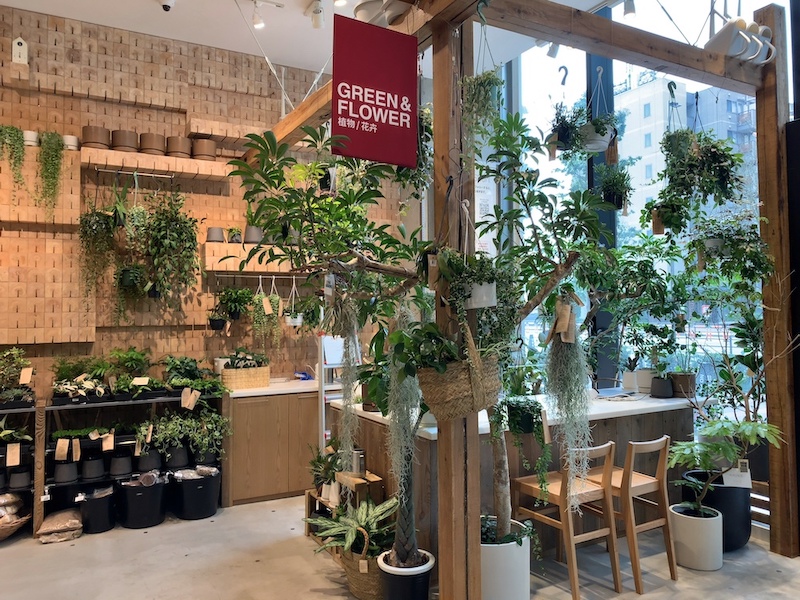
Indoor Plants
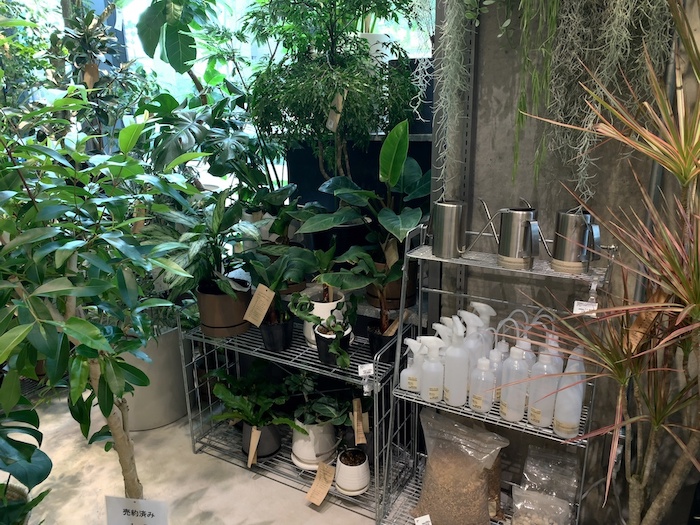
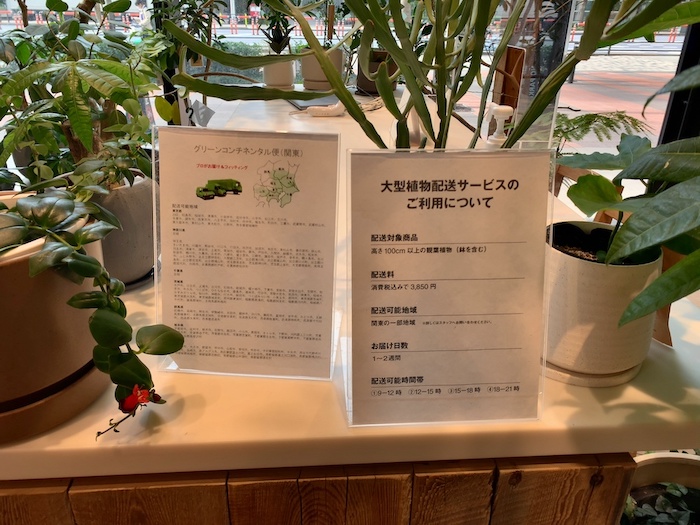
The plant section at Ariake is more extensive than any other MUJI I’ve visited. Ariake has seen rapid development in recent years — tower condominiums have transformed what was once mainly a sports venue area (the famous Ariake Colosseum is nearby) into a family residential neighbourhood. The demand for houseplants in new apartments clearly shows in the stock. A consultation counter and delivery service are available for larger purchases.
2F: Home, Living, and a Model House
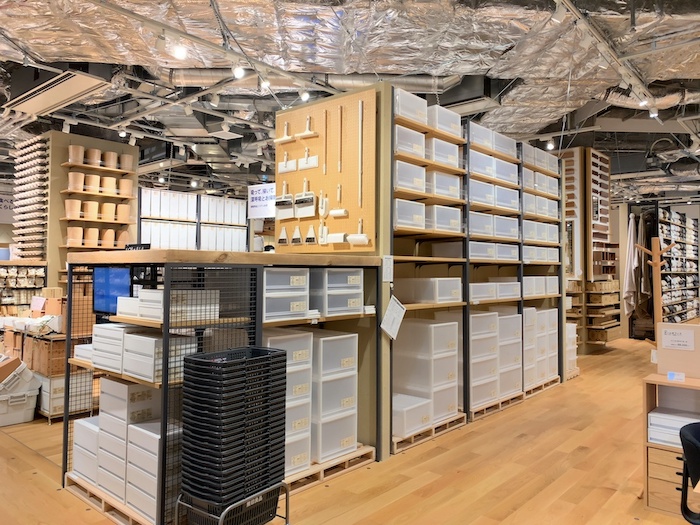
The second floor is where the store’s “home building” concept becomes tangible. Alongside the staple MUJI storage goods and home textiles, there are model kitchens, a model bathroom, and a library of interior design and lifestyle books that you can sit and browse.
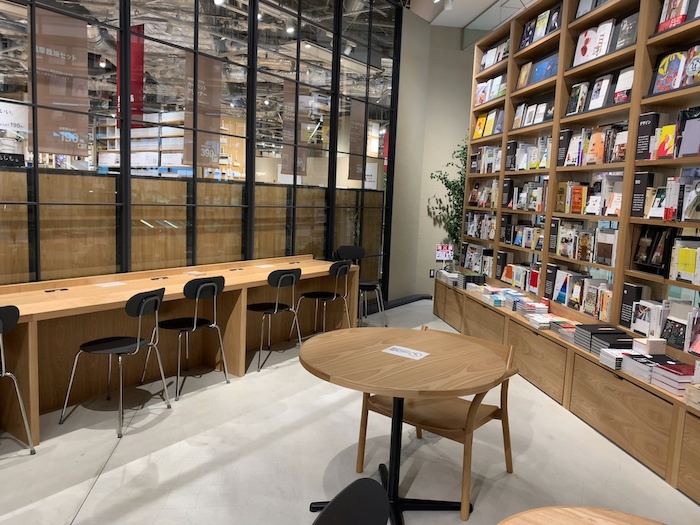
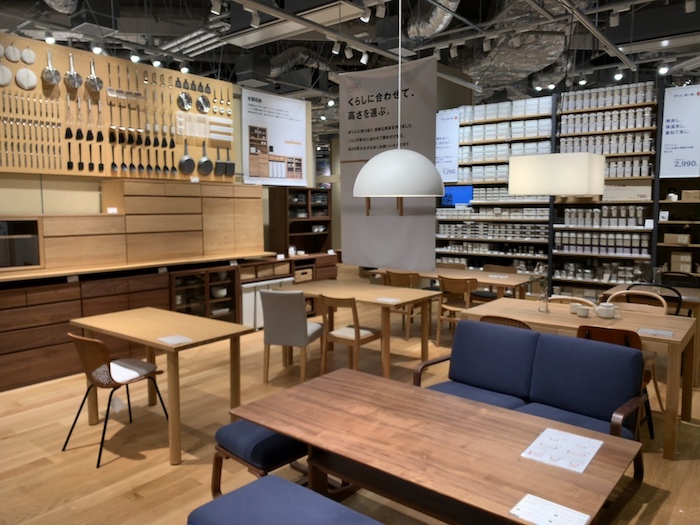
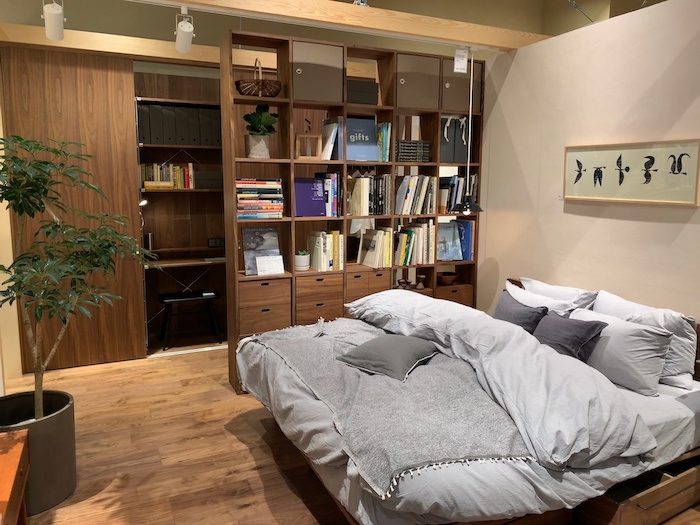
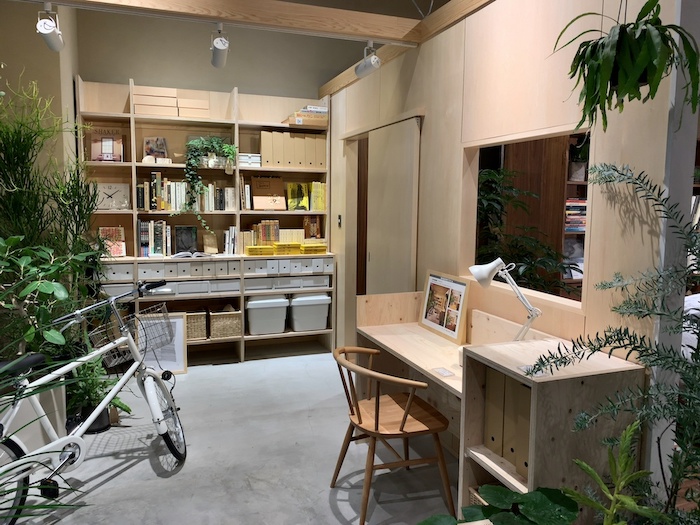
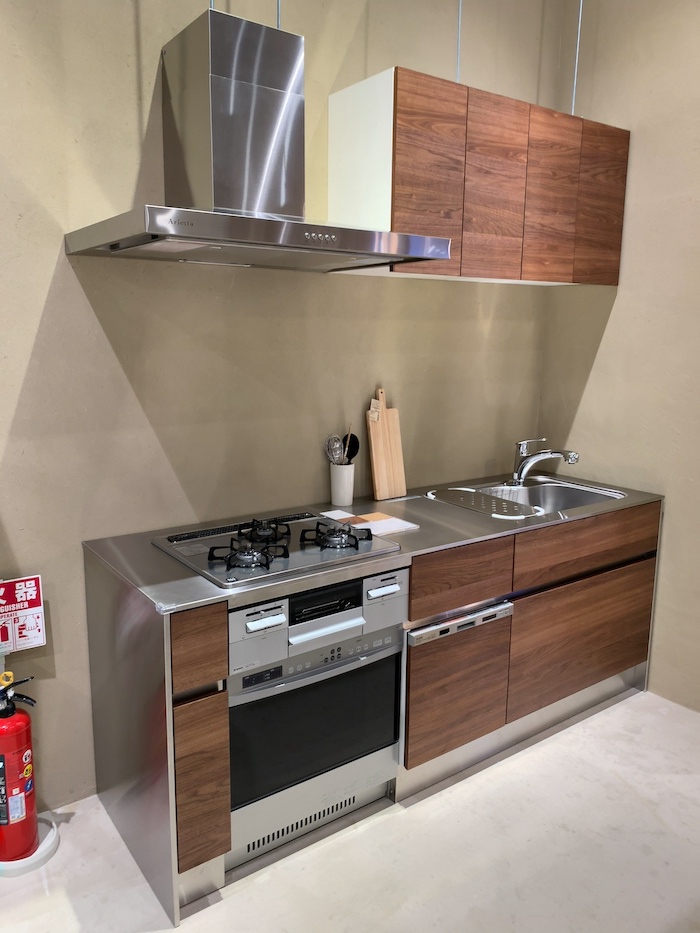
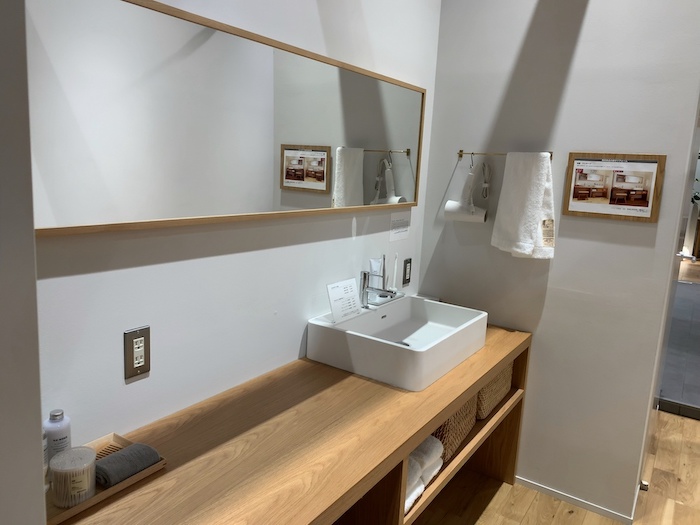
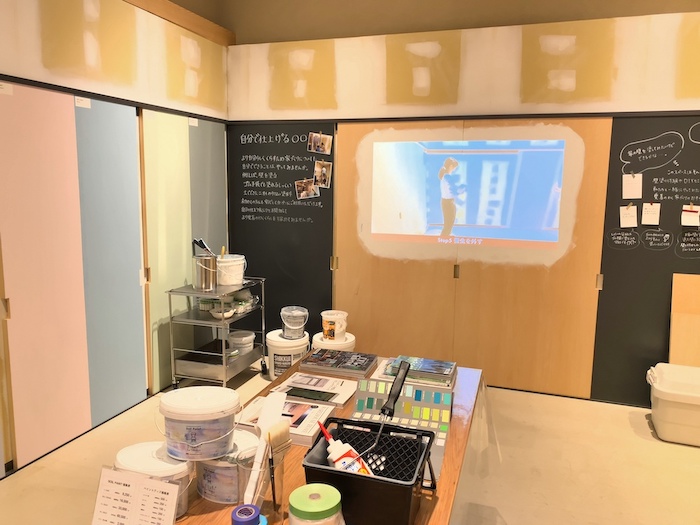
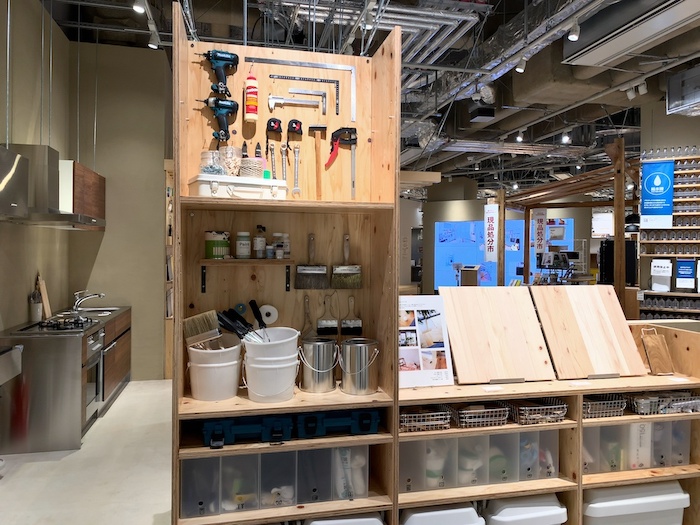
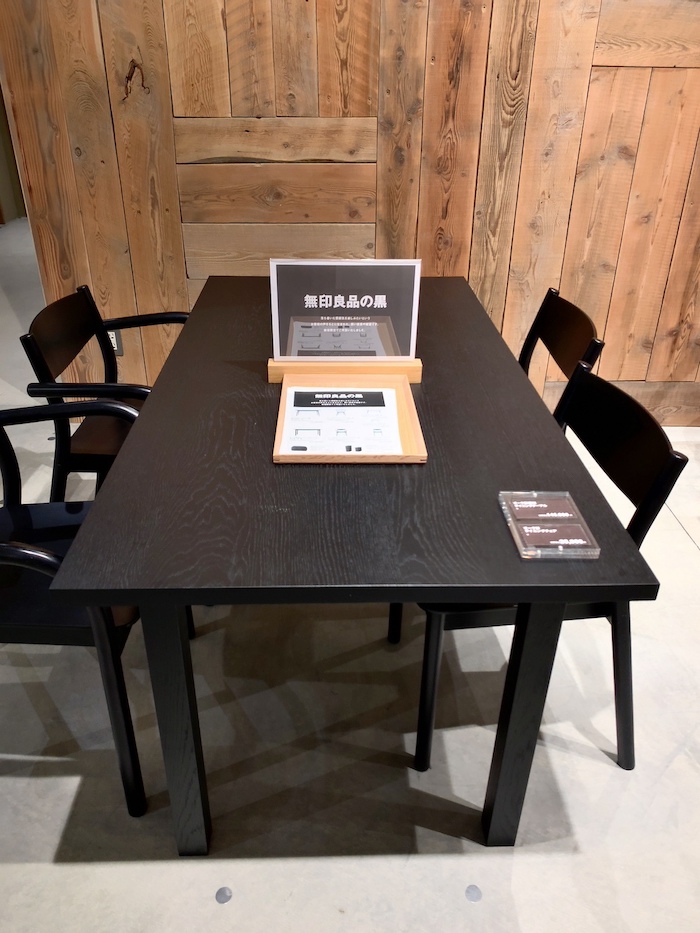
One section worth knowing about: MUJI Black — a line of black-coloured furniture that you rarely see at standard MUJI stores. For people who find the usual MUJI natural-wood palette too light, this offers a genuinely different aesthetic direction. A Thonet furniture section is also on this floor — a curated selection from the legendary Austrian bentwood furniture maker, whose designs influenced MUJI’s own aesthetic thinking.
The Full-Size Model House: Hi no Ie
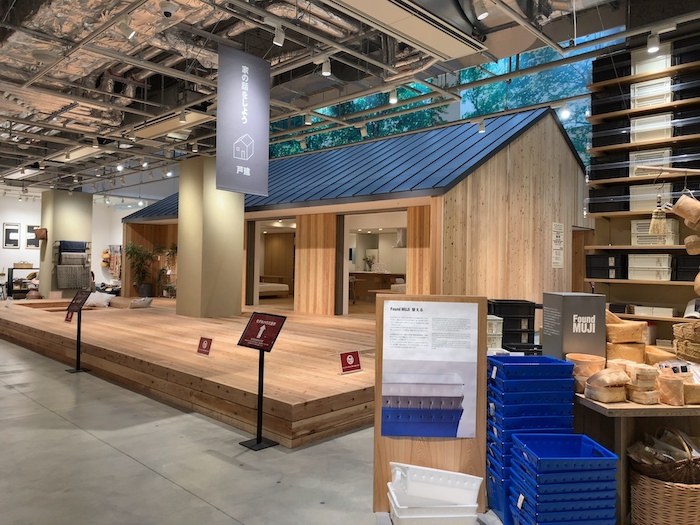
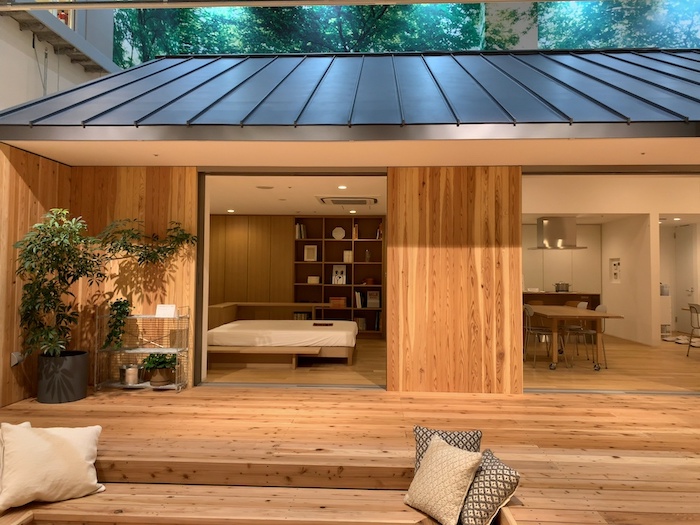
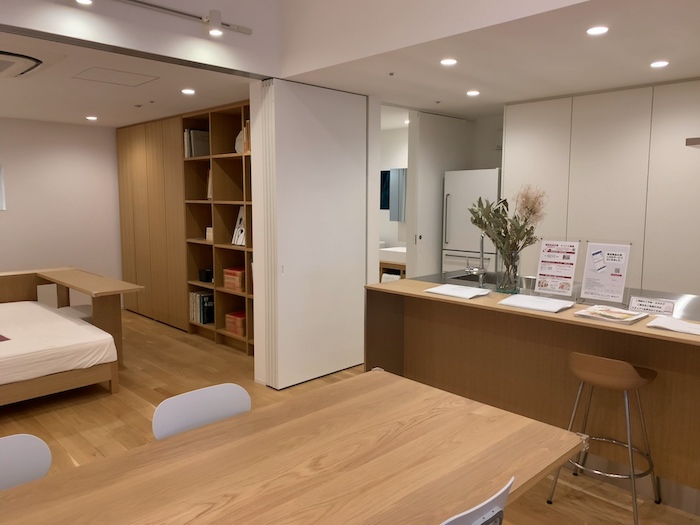
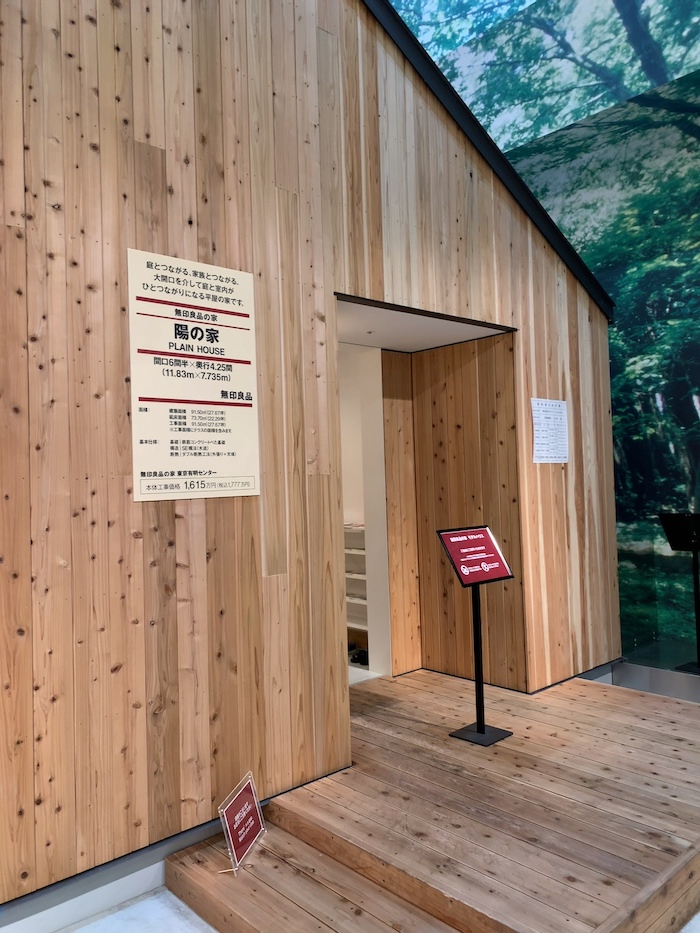
What stops you in your tracks on 2F is a complete full-size house, sitting right there on the floor of the store. Hi no Ie (“House of Sunlight”) is a simple single-story design — the kind of home that a person whose children have grown up might dream about. The base construction price (¥16.15 million) is displayed on a standard MUJI price label. It’s a showroom model, not for purchase on the spot — but the approach makes the price feel surprisingly approachable, which is very much the point.
3F: Clothing, Health & Beauty, Embroidery Studio
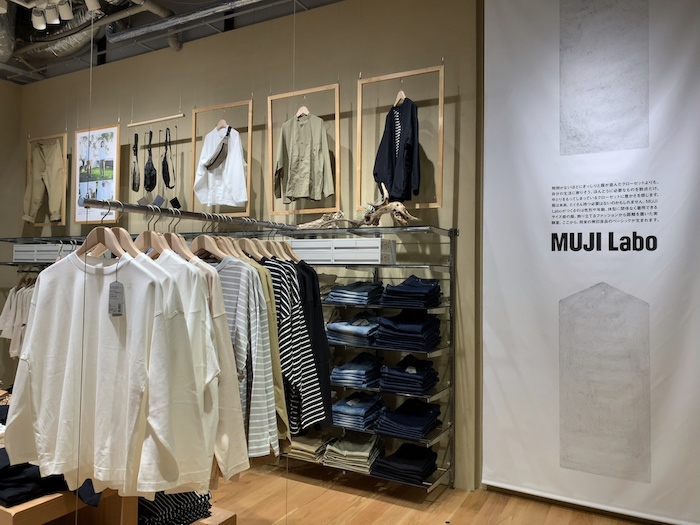
The third floor is home to MUJI’s clothing range — seasonal items, basics, and the MUJI Labo sub-line, which takes the brand’s minimalism a step further. MUJI Labo is designed for people who want to own very few clothes but have each piece be exactly right: premium natural materials, genderless cuts, nothing unnecessary.
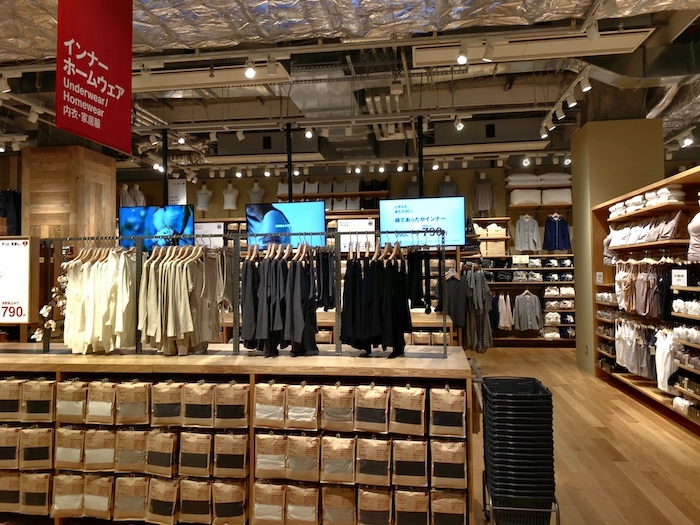
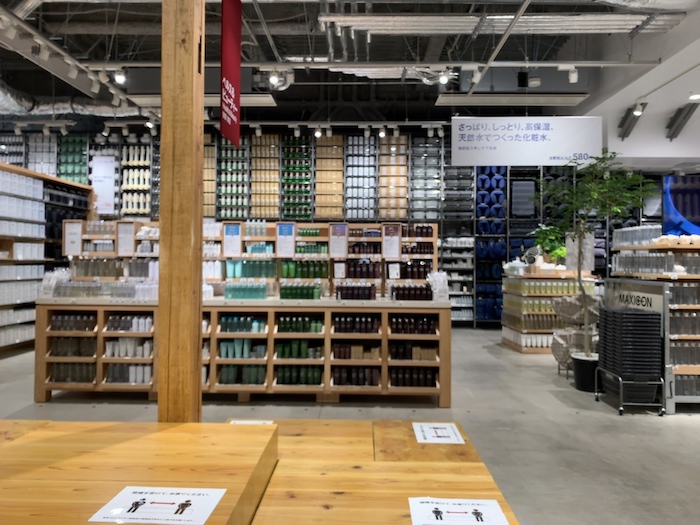
The health and beauty section is large, with cosmetics, skincare, and towels occupying substantial shelf space. This floor also has the detergent bulk-refill station — bring your own bottle, refill your laundry liquid by weight. Children’s goods occupy a section toward the back of the floor.
The Embroidery Studio
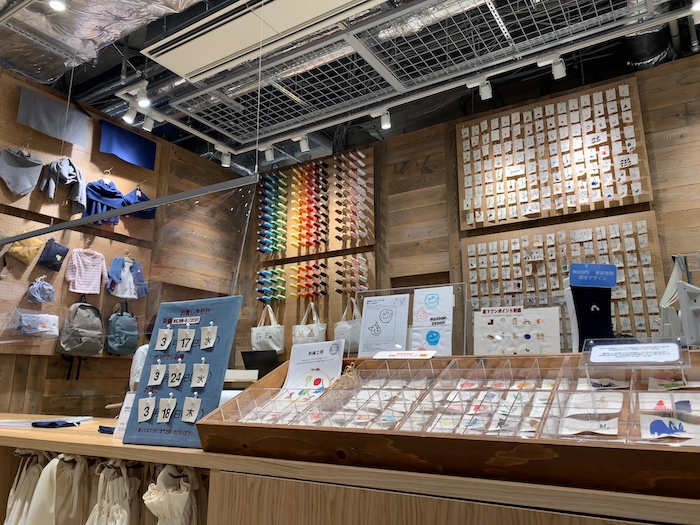
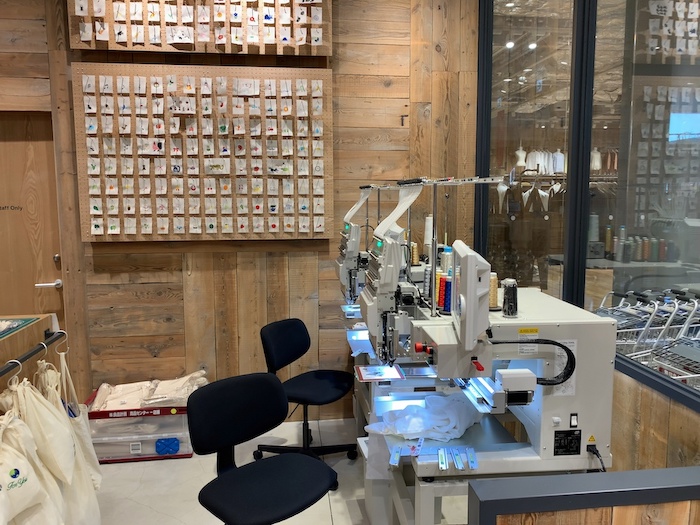
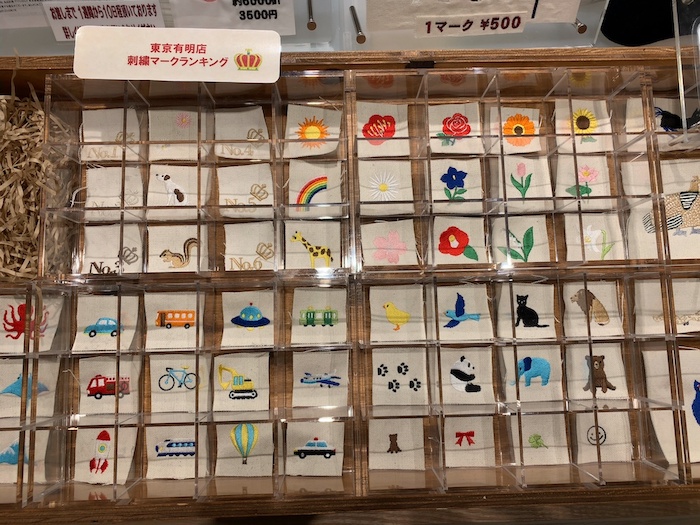
The embroidery studio is one of the features that exists only at large MUJI stores — and it was one of my main reasons for making the trip. Choose a MUJI item (or bring your own cotton/fabric product), pick a design from the sample book, and have it custom-embroidered while you continue browsing.
I hadn’t decided in advance what to get, but when I saw the design samples I immediately knew. I ordered a handkerchief with a squirrel and a grape vine — a nod to my blog’s name, リスのこみち (“Squirrel’s Path”), and to my love of wine.
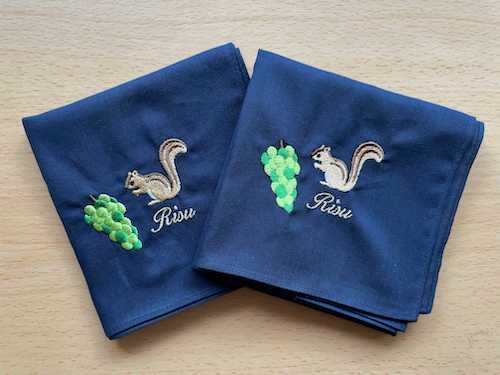
The design is from the sample book, but you can choose its position on the item (with a 3cm margin from the edge) and the font style if adding text. You can also bring your own original illustration. My order: India cotton gauze handkerchief (¥390) + one embroidery design (¥500). On a weekday, simple designs are ready in about 2 hours.
Environmental Initiatives
Food Drive (1F)
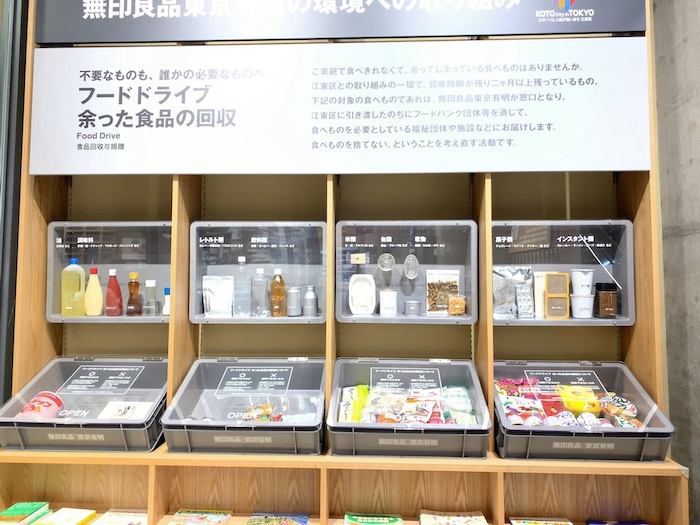
Surplus household food items with at least two months of remaining shelf life can be dropped off at the store. MUJI passes these to Koto Ward, which distributes them via food bank organisations to households in need.
Tsunagaru Picture Book Project (2F)
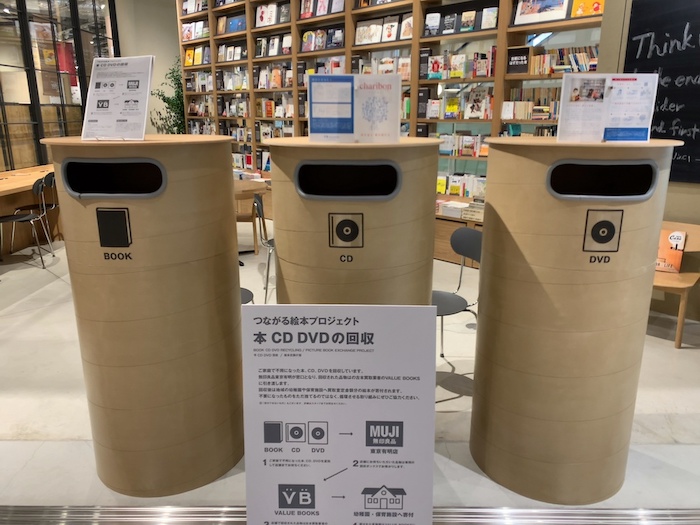
Unwanted books, CDs, and DVDs can be deposited in a collection box near the 2F library. Items are passed to VALUE BOOKS; proceeds are used to donate picture books to local kindergartens and nurseries.
Used Clothing Collection (3F) and Water Dispensers (1F)
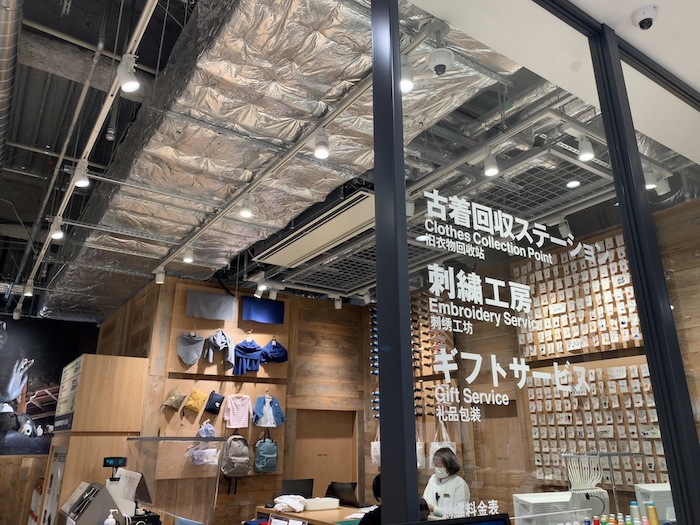
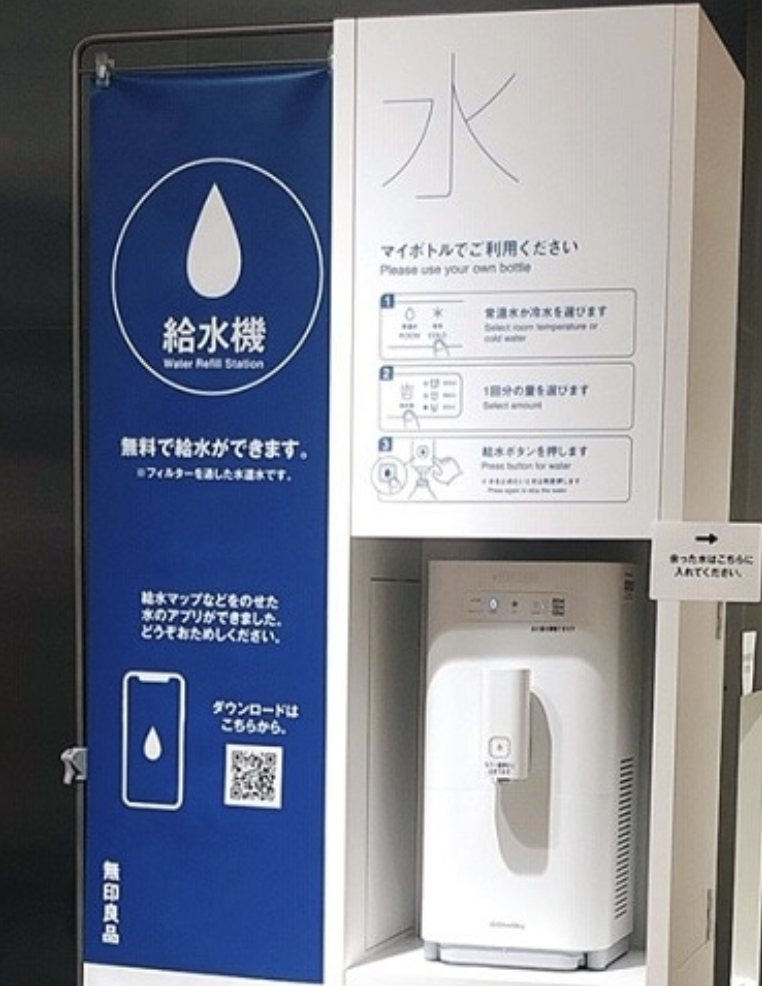
Any brand of clothing can be dropped off in exchange for recycled-yarn work gloves. Three water dispensers on 1F let you refill your own bottle for free — or buy a MUJI fill-your-own bottle (¥190). The MUJI Life Water app shows all dispenser locations across Japan.
Practical Information
| Address | Ariake Garden Mall & Spa, 1–3F 2-1-7 Ariake, Koto-ku, Tokyo 135-0063 |
|---|---|
| Access | Yurikamome: “Ariake Tennis no Mori” stn — 3 min (allow 5–7) Rinkai Line: “Kokusai Tenjijo” stn — 7 min (allow 10–13) Toei Bus: “Ariake Nichome” stop — directly in front |
| Hours | 10:00–20:00 · Café & Meal MUJI last order 19:30 |
| Parking | 1,300 spaces · ¥2,000+ → 1 hr free · ¥4,000+ → 2 hrs · ¥6,000+ → 3 hrs · ¥8,000+ → 4 hrs |
| Embroidery Studio (3F) | Weekday simple designs ~2 hrs · ¥500 per motif · own designs welcome |
Summary
MUJI Tokyo Ariake is worth the trip from anywhere in greater Tokyo, even with no specific purchases in mind. The bulk food section invites browsing; the café is reliably calming; the model rooms let you imagine different versions of your home; and the embroidery studio gives you something to take home that no online order can replicate.
If you have a day when you want to do nothing but look at MUJI, this is the place.