When I want to pray for success in an exam, when I need a moment of calm, or simply when I want to combine some gentle exercise with a walk — I head to a shrine. Tokyo has some wonderful ones in surprisingly convenient locations, each with its own special character.
In this post I’ll introduce five of my favourites, along with what makes each one worth visiting.
Why I Love Visiting Shrines
Most shrines are set within spacious grounds filled with mature trees. The older the shrine, the taller the trees — walking among them feels like bathing in a forest, right in the middle of the city.
Each shrine also has its own personality, its own oshi-point — the detail that makes you light up when you discover it. I’ll share mine for each shrine below.
Kameido Tenjin Shrine (Koto Ward)
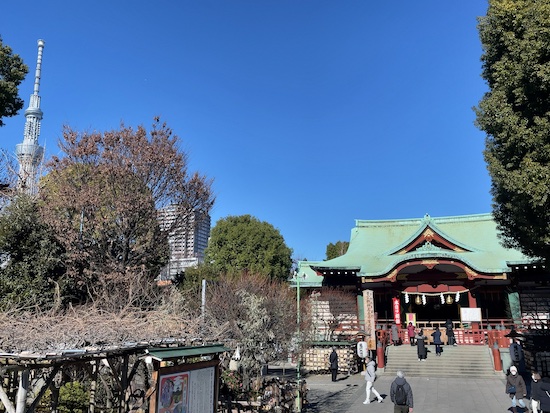
Kameido Tenjin Shrine was built during the Edo period as a place of prayer for the Tokugawa shogunal family. It is dedicated to the deity of learning, commerce, and the performing arts — and is one of the Tokyo Ten Shrines (東京十社), the ten shrines designated by Emperor Meiji in 1868 as guardians of the capital.
The other nine are: Shiba Daijingu, Shinagawa Jinja, Akasaka Hikawa Jinja, Hie Jinja, Hakusan Jinja, Oji Jinja, Nezu Jinja, Kanda Jinja, and Tomioka Hachimangu. Visiting all ten — the "Tokyo Ten Shrines Pilgrimage" — is a popular goal among shrine enthusiasts.
I have a personal connection to Kameido Tenjin. When I was preparing for high school entrance exams, my mother suggested we come here to pray — and I passed. Since then, I’ve returned before important exams and professional certifications, and it has never let me down. I think of it as my lucky shrine.
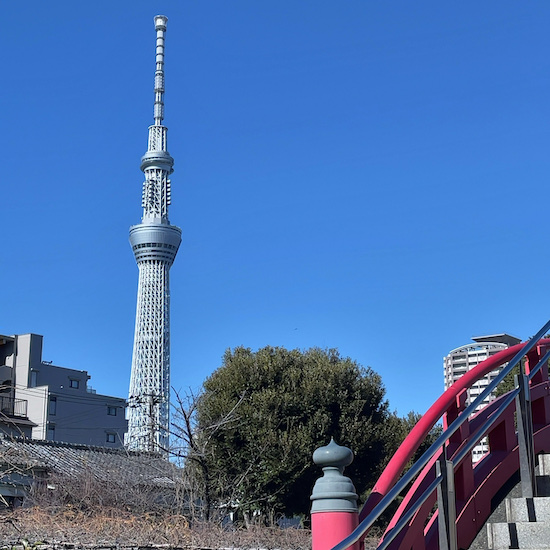
The shrine is also famous for its wisteria arbour, which draws large crowds when the flowers bloom in spring. Look northwest and you’ll spot Tokyo Skytree rising above the rooftops — a lovely contrast of old and new.
My oshi-point: the turtles in the pond. When visitors approach, the turtles actually swim over to greet them. Watching them never fails to make me smile. (Note: turtles may not be visible in cold weather.)
Kameido Tenjin Shrine — Official Website
Atago Jinja (Minato Ward)
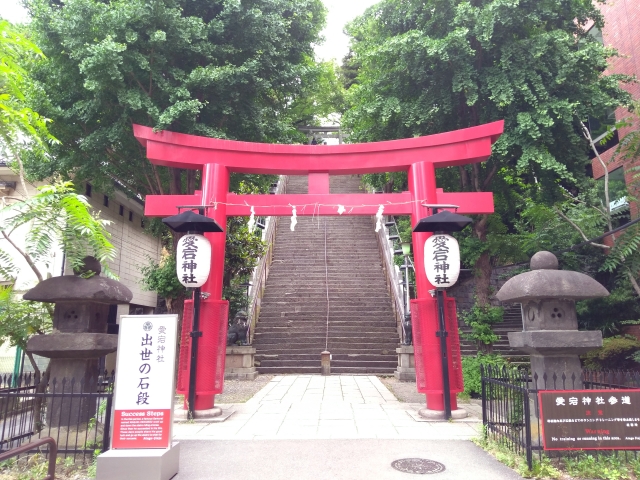
Atago Jinja is famous for its "Shusseno Ishidan" — the Stone Steps of Career Advancement. The staircase is steep and dramatic, rising almost vertically from street level to the shrine’s hilltop precinct. It’s one of those landmarks that’s immediately recognisable to anyone who lives in Tokyo.
Being a well-known shrine in the heart of the city, it gets very crowded on weekends and during New Year visits. Weekdays are strongly recommended for a more peaceful experience.
My oshi-point: the genuine sense of accomplishment when you reach the top of those stairs. It’s a small thing, but it puts a real spring in your step for the rest of the day.
Atago Jinja — Official Website
Shiba Daijingu (Minato Ward)
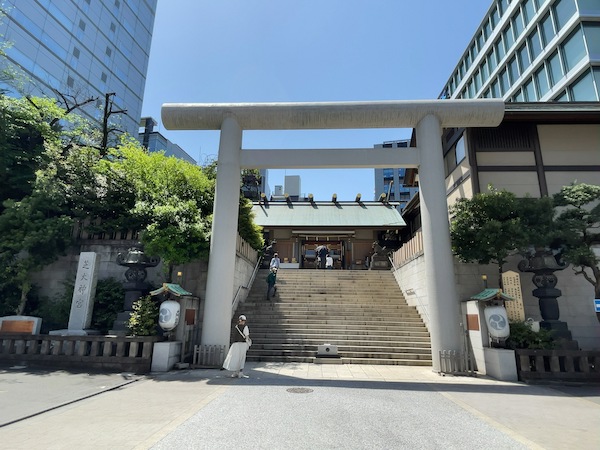
About a 10-minute walk from Atago Jinja, Shiba Daijingu is another shrine nestled among city buildings — but don’t let the urban setting fool you. Like Kameido Tenjin, it is one of the Tokyo Ten Shrines, with deep historical roots going back over a thousand years. It enshrines the same deities as Ise Grand Shrine, making it one of the most venerable shrines in the capital.
My oshi-points: the Ginger Stone Memorial (生姜塚) and the Go-un good-luck charm.
The ginger stone reflects this area’s history as a ginger-growing district, and ginger is traditionally valued as a plant that wards off evil. It’s a quirky piece of local history that I always enjoy discovering with first-time visitors.
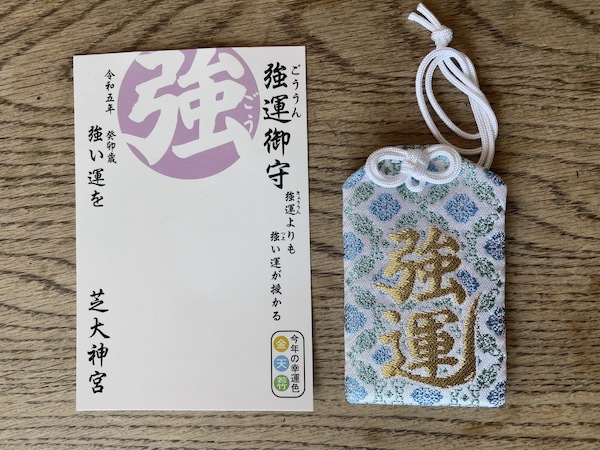
The 強運 (go-un) amulet reads "overwhelming luck" — note that it’s pronounced go-un, not the more common kyo-un, which gives it an extra sense of raw, unstoppable power. It’s the kind of amulet that makes you feel genuinely protected.
Shiba Daijingu — Official Website
Hatonomori Hachimangu (Shibuya Ward)
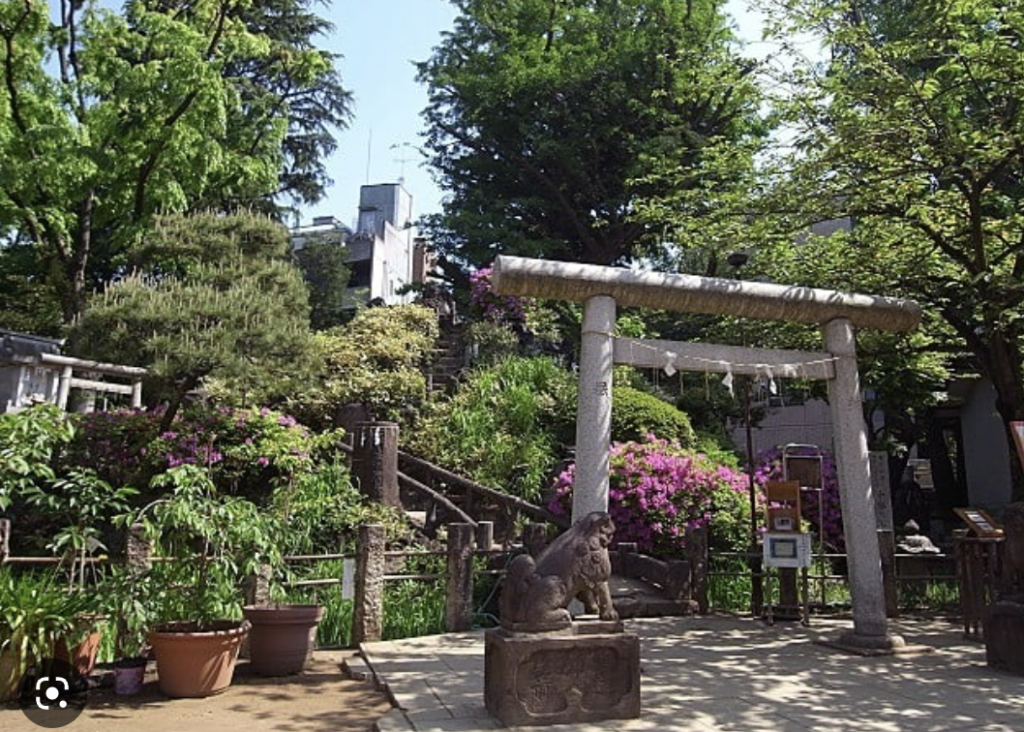
Hatonomori Hachimangu (鳩森八幡神社, "hato-no-mori" means "dove forest") is a 5-minute walk from JR Sendagaya Station. It’s known for the white doves that gave the shrine its name, and for its long-standing connection to shogi (Japanese chess) — the Japan Shogi Association is nearby.
My oshi-point: the Sendagaya Fujizuka — Tokyo’s oldest surviving fujizuka, a miniature replica of Mount Fuji.
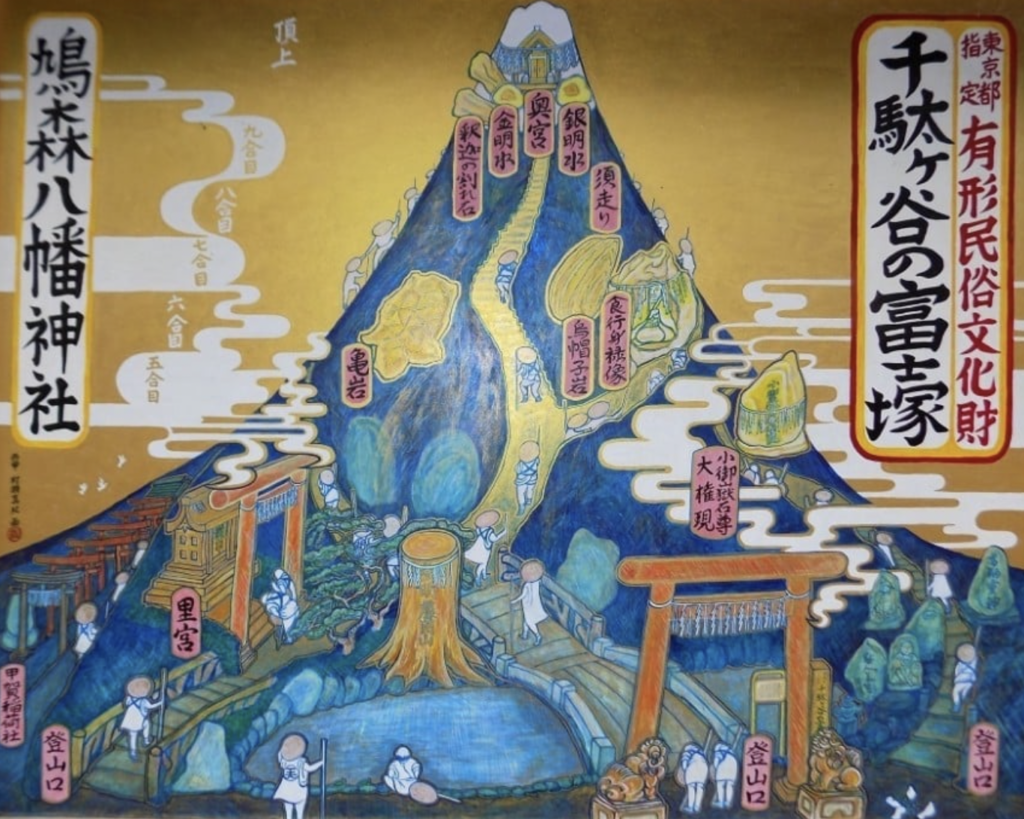
The lava rocks at the summit were brought from the actual Mount Fuji. During the Edo period, when ordinary people rarely had the opportunity to travel, climbing a fujizuka was believed to carry the same spiritual merit as climbing the real mountain. This one is about 25 metres in diameter and 6 metres tall — modest in scale, but the view from the top is surprisingly interesting. A hidden gem right in the heart of the city.
Hatonomori Hachimangu — Official Website
Koami Jinja (Chuo Ward)
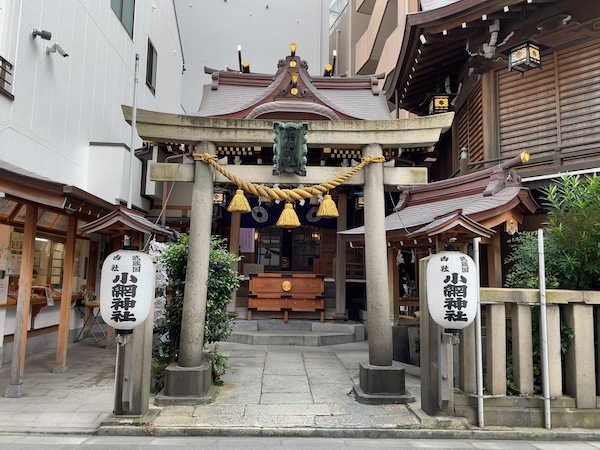
Tucked among the office towers of Nihonbashi, Koami Jinja is known as the "Tokyo Zeniarai Benten" — Tokyo’s version of the famous coin-washing shrine in Kamakura. The Kamakura original (Zeniarai Benzaiten Ugafuku Jinja) is wonderful, but it’s a long trip from central Tokyo. Koami Jinja offers the same ritual in the heart of the city.
My oshi-points: the coin-washing well (銭洗いの井) and the Fukurokuju deity.
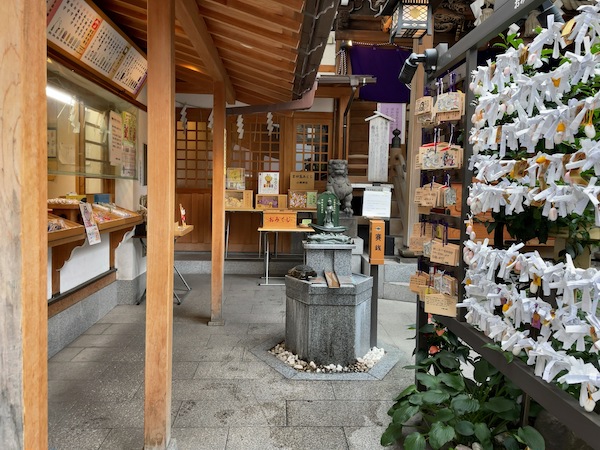
The ritual is simple and joyful: wash your notes or coins in the sacred well water, then return them to your wallet. It’s said that money purified this way will bring good financial fortune. There’s something genuinely uplifting about it — even as a ritual, the act of pausing to appreciate what you have feels meaningful.
On auspicious dates for wealth, long queues form outside. I tend to visit on ordinary days to avoid the wait, but the atmosphere is worth experiencing whenever you go.
Koami Jinja — Official Website
Summary: Five Tokyo Shrines Worth Visiting
| Kameido Tenjin | Koto Ward · God of learning · Famous wisteria · Turtle pond · Tokyo Ten Shrines |
|---|---|
| Atago Jinja | Minato Ward · Steep "Career Advancement" stone steps · Best on weekdays |
| Shiba Daijingu | Minato Ward · Tokyo Ten Shrines · Ginger Stone · Powerful go-un amulet |
| Hatonomori Hachimangu | Shibuya Ward · Tokyo’s oldest fujizuka (mini Mt. Fuji) · Near Sendagaya Station |
| Koami Jinja | Chuo Ward · Coin-washing well · Tokyo’s Zeniarai Benten · Nihonbashi |
A Small Prayer Ritual That Changed How I Visit Shrines
When I pray at a shrine, I always begin with the same words: "Thank you for allowing me to be here."
Something about that simple act of gratitude — for the greenery, the quiet, the moment — reminds me to appreciate being alive. It fills me with energy and motivation in a way that few other things do.
Whether you’re hoping for good fortune in an exam, celebrating something that went well, or simply in need of a quiet place to breathe — Tokyo’s shrines are always worth a visit. I hope you find your own favourite among them.