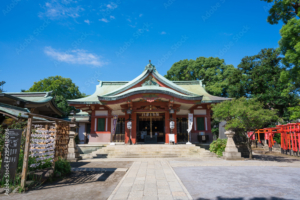
In mid-April, blessed with perfect weather, I made a day trip to Komagome in northern Tokyo. My plan: a brown rice lunch at a restaurant I’d been wanting to try, followed by a garden-hopping walk through two of Tokyo’s finest historic parks — Rikugien and Furukawa Garden.
The two gardens are only a 17-minute walk apart, making this a gentle but deeply satisfying walking course — perfect for days when you want to move a little without overdoing it.
Lunch First: Natural Vegetable Restaurant Nourish
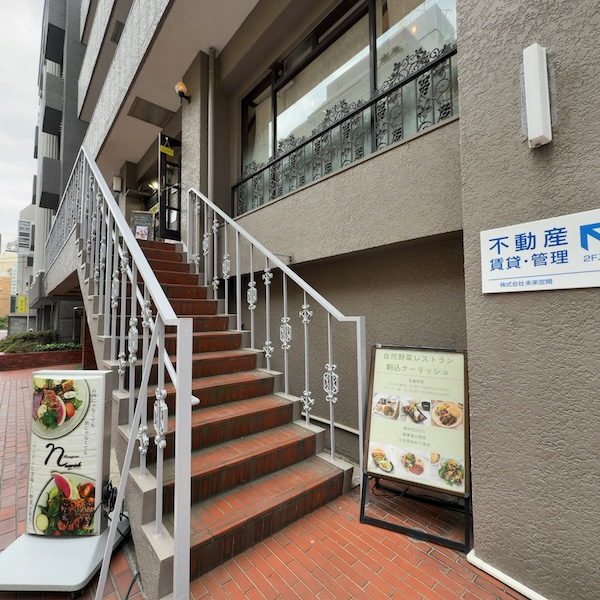
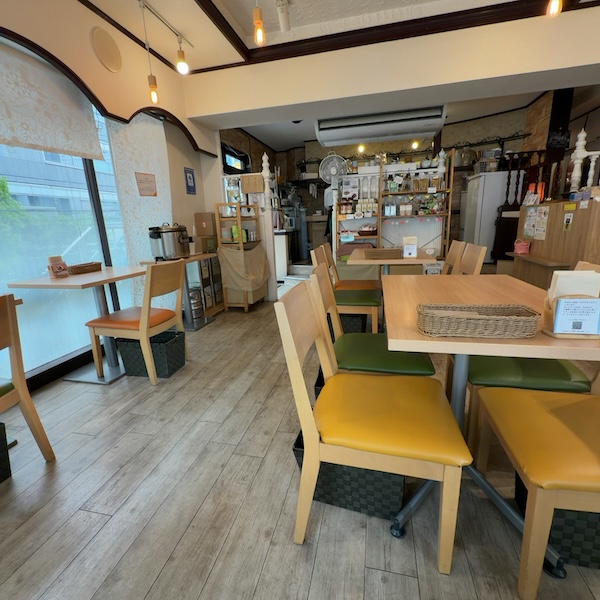
Just a short walk from Komagome Station, up a white iron staircase on the second floor of an office building, you’ll find Nourish — a natural vegetable restaurant with a warm wooden interior. Window-side seats for solo diners signal immediately that lone visitors are genuinely welcome here.
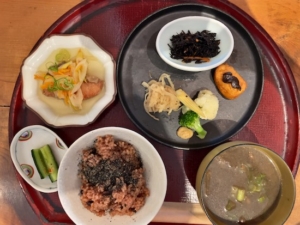
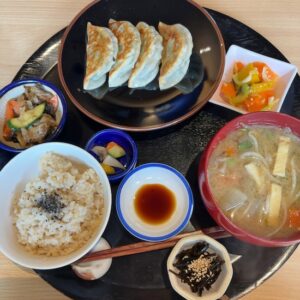
I ordered the Asian Plate (1,380 yen): soy-meat karaage with an aromatic dipping sauce. The karaage is seasoned with Sichuan pepper and fragrant spices — delicious even without the sauce. Side vegetables are modest in quantity, but each one is carefully prepared.
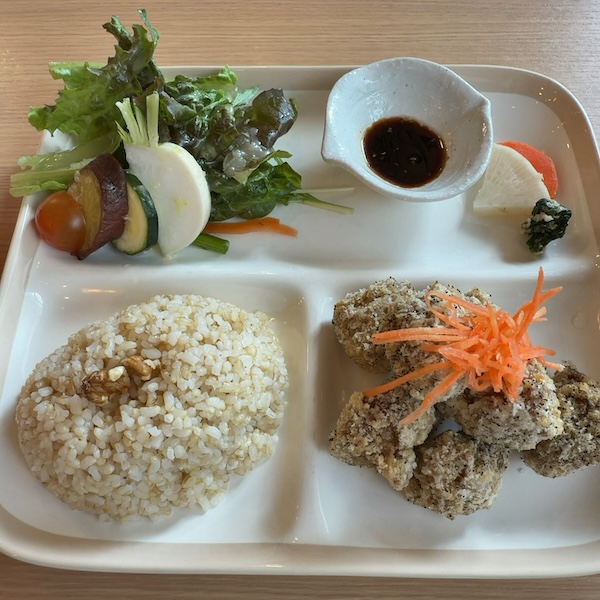
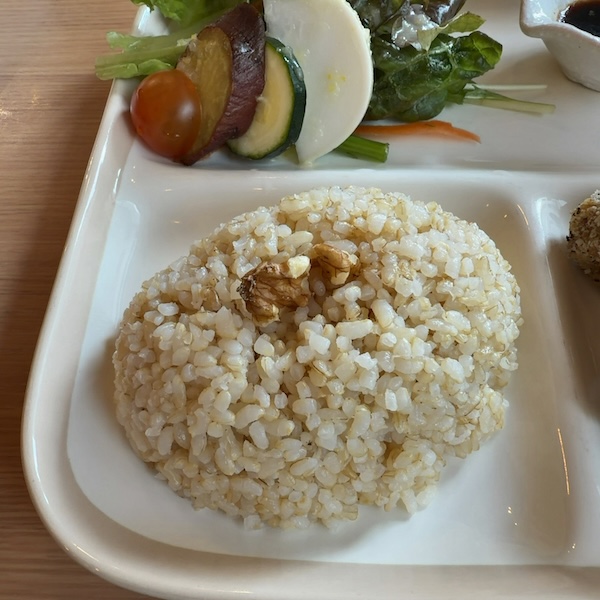
The brown rice was fluffy and easy to eat — topped with walnuts, so be sure to inform your server if you have a nut allergy.
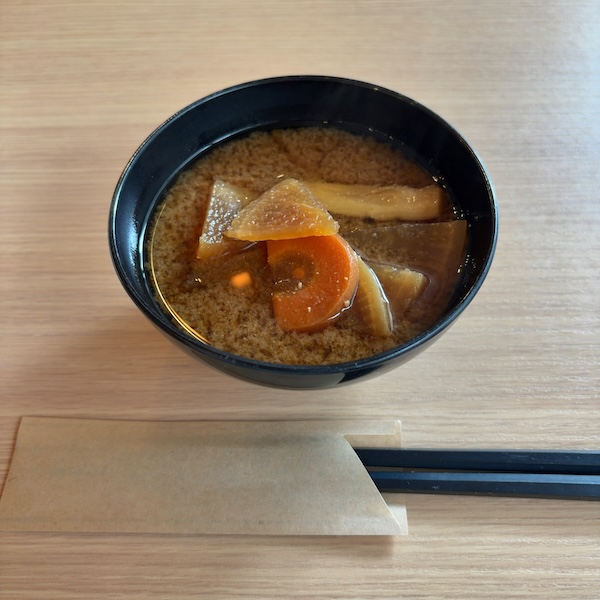
The set also includes self-service miso soup — up to three cups, free of charge. A thick, root-vegetable miso with red miso paste that warms you from the inside. Every element of this lunch felt genuinely nourishing.
Rikugien Garden — Azaleas in Full Bloom
After lunch, I headed to Rikugien, one of Tokyo’s most celebrated Edo-period stroll gardens. There are two gates — the Somei-mon gate (closer to Komagome Station) is normally kept closed, so you’ll need to walk about 8 to 10 minutes to the main entrance.
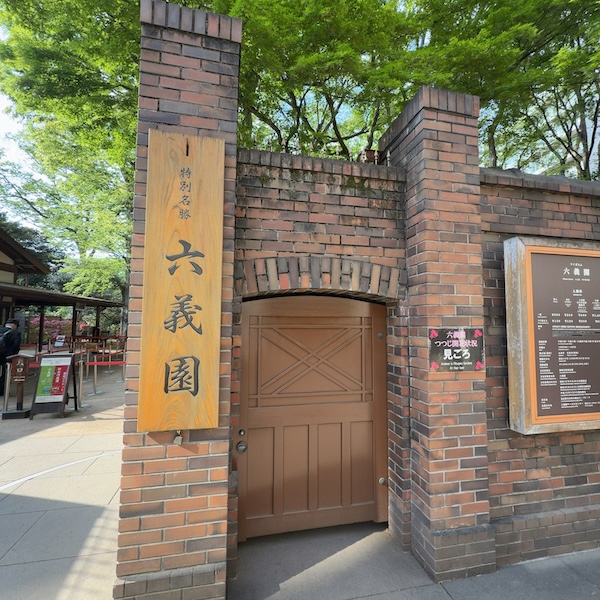
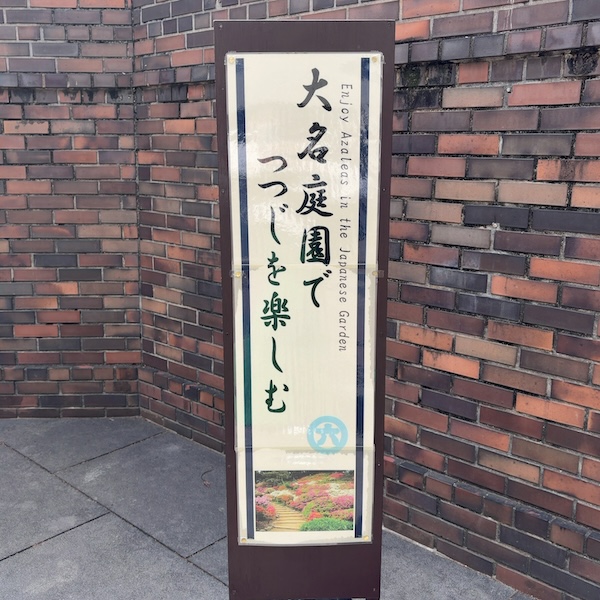
At the service centre inside the gate, I noticed a fantastic deal: the Sono-musubi combo ticket — normally 300 yen per garden, but 400 yen total for both Rikugien and Furukawa Garden. The second garden’s admission has no expiry date, so if you run out of energy on the day, you can use it anytime later.
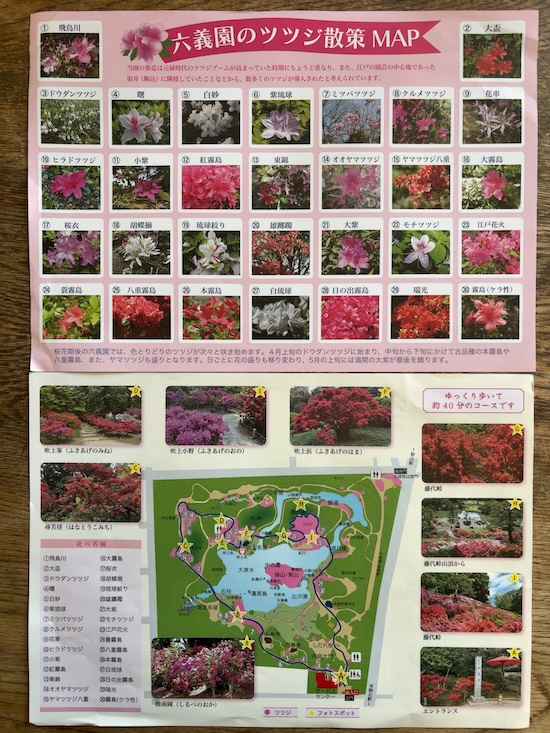
Picking up the free Rikugien Azalea Walk Map from the service centre makes the visit much richer — it shows all 30 azalea varieties with photos and names.
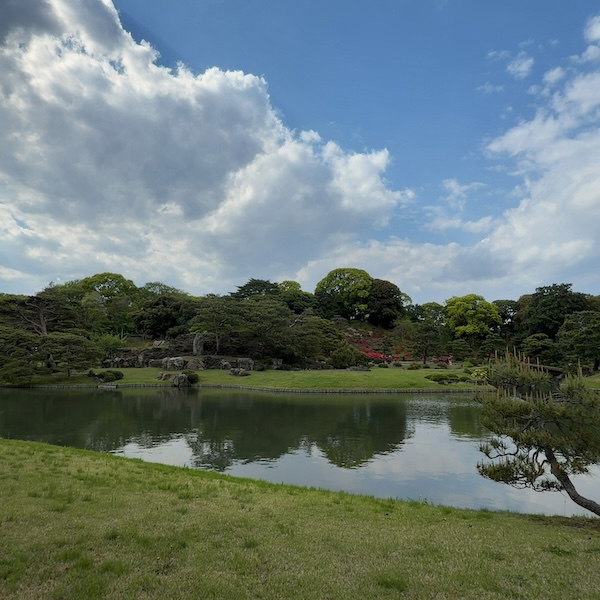
Passing through the gate, the first thing that strikes you is the enormous central pond. Sky and trees reflect in the still water, and in the distance you can already see a hillside blazing with crimson azaleas.
Moving deeper into the garden, you reach the azalea area — an entire hillside covered in red and pink blooms.
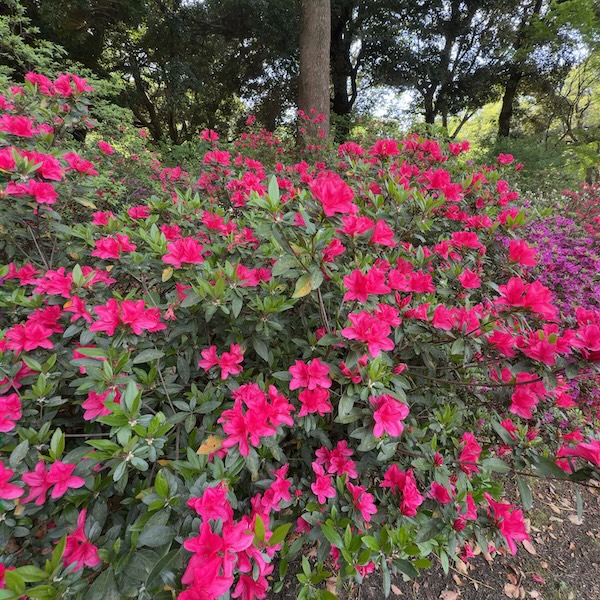
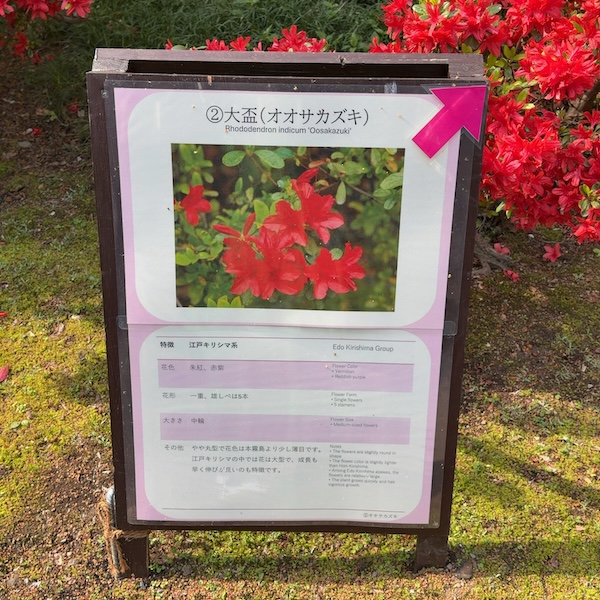
What makes Rikugien’s azalea experience special is the variety. Each variety has a named signboard. Varieties range from the Edo-period classics Honkirishima and Benikirishima to the bold, cup-shaped Osakuazuki — 30 species in total. Mixed among them are lavender-toned varieties like Mitsubatsuji, creating a full colour gradient across the slope.
Furukawa Garden — Western Mansion plus Azaleas Now, Roses in May
From Rikugien, it’s a 17-minute walk to Furukawa Garden. By this point I’d already spent over an hour in Rikugien, so the gentle but hilly path between the gardens does take a little effort — but it’s very manageable.
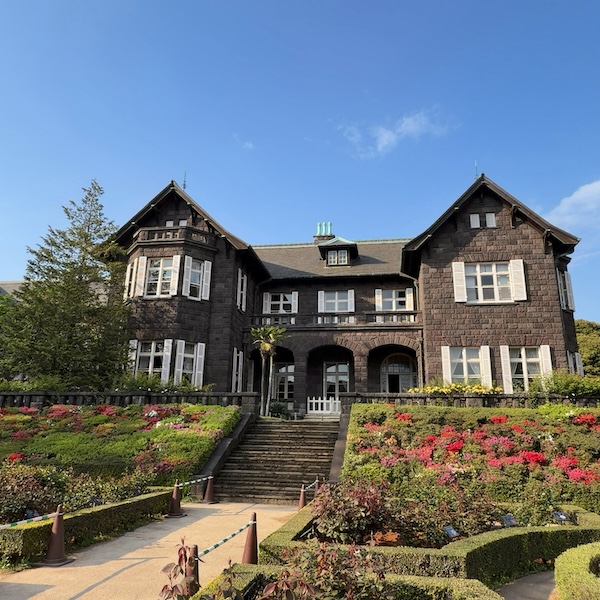
Stepping through the main gate, a grand Western-style stone mansion immediately dominates the view. Designed in the early 20th century, the building is an impressive piece of Meiji-era architecture.
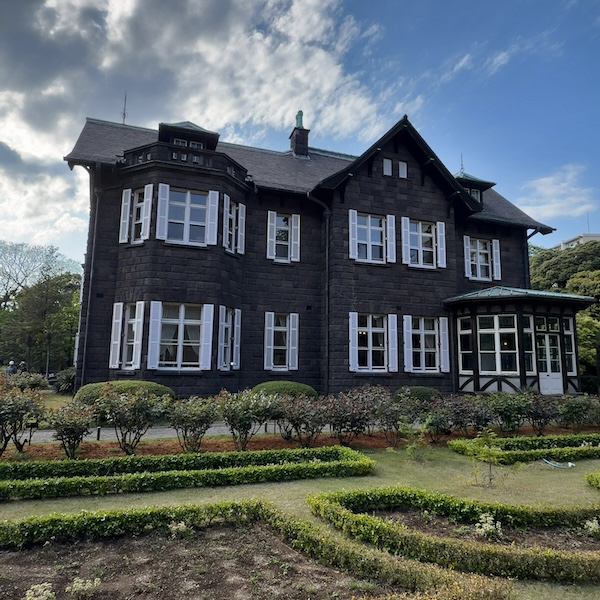
Guided tours of the mansion interior are available for an additional 500 yen. The lavishly decorated rooms are genuinely surprising in scale — there’s even a cafe inside overlooking the garden. Photography is not permitted inside the mansion.
Spreading out in front of the mansion, the terraced formal garden was alive with azaleas in full bloom — just as striking against the stone building as they were in Rikugien.
This formal garden is best known for its roses: spring roses typically peak from early to late May. On my visit the rose bushes were still only showing leaves, but the posted results of the Spring Rose Popularity Vote 2025 gave me a vivid picture of what was coming.
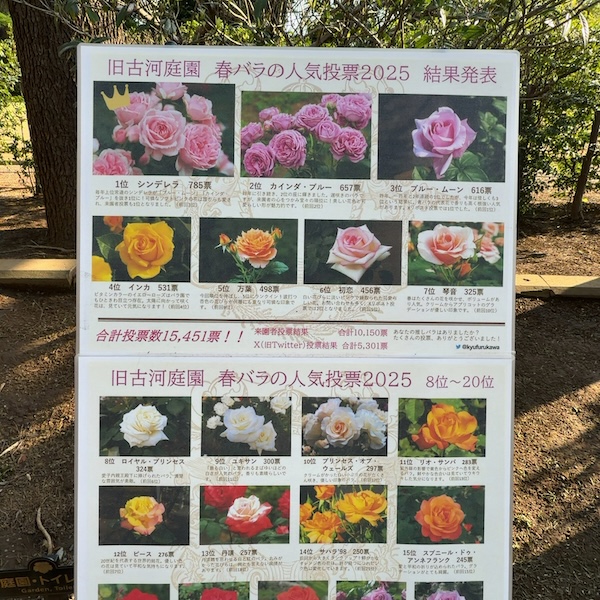
The top three: 1st Cinderella, 2nd Kinda Blue, 3rd Blue Moon. I’m already looking forward to seeing them in person next time.
Practical Information
| Lunch | Nourish — 2F, 1-minute walk from Komagome Station. Asian Plate 1,380 yen. Self-service miso soup up to 3 cups free. |
|---|---|
| Rikugien | Admission 300 yen (or 400 yen combo). Azaleas: late March to late April. 5-min walk from JR / Tokyo Metro Komagome Station. |
| Furukawa Garden | Admission 150 yen (or included in 400 yen combo). Mansion tour: additional 500 yen. Azaleas: April. Spring roses: May. 17-min walk from Rikugien. |
| Combo ticket | 400 yen for both gardens. Second garden has no expiry date. |
Summary: Komagome Garden Walk
My Komagome day out followed this simple course: Nourish for a healthy brown rice lunch, Rikugien for 30 varieties of azaleas around a classic Edo pond garden, and Furukawa Garden for a Western mansion tour and terraced formal garden.
Rikugien’s azaleas keep blooming into late April, and Furukawa Garden’s roses peak in May — so the area rewards repeat visits through the season. I was genuinely moved to find such a spacious, peaceful corner of central Tokyo. Easily one of my favourite days out this year, and I’ll definitely be back.